Sowing the Future: season #3

2024 Project Update:

Sowing the Future: Women Farmers + EcoAgriculture is an arts-based project in its third year, with a focus on diversity and inclusivity. This season features a selection of women farmers in the Ottawa area, including racialized, gender-divergent and landless or farm workers, which also includes temporary foreign agricultural workers. The 2024 season began slowly, as it took time to network, make connections and build relationships, which led to many interviews, farm visits and photo opportunities.

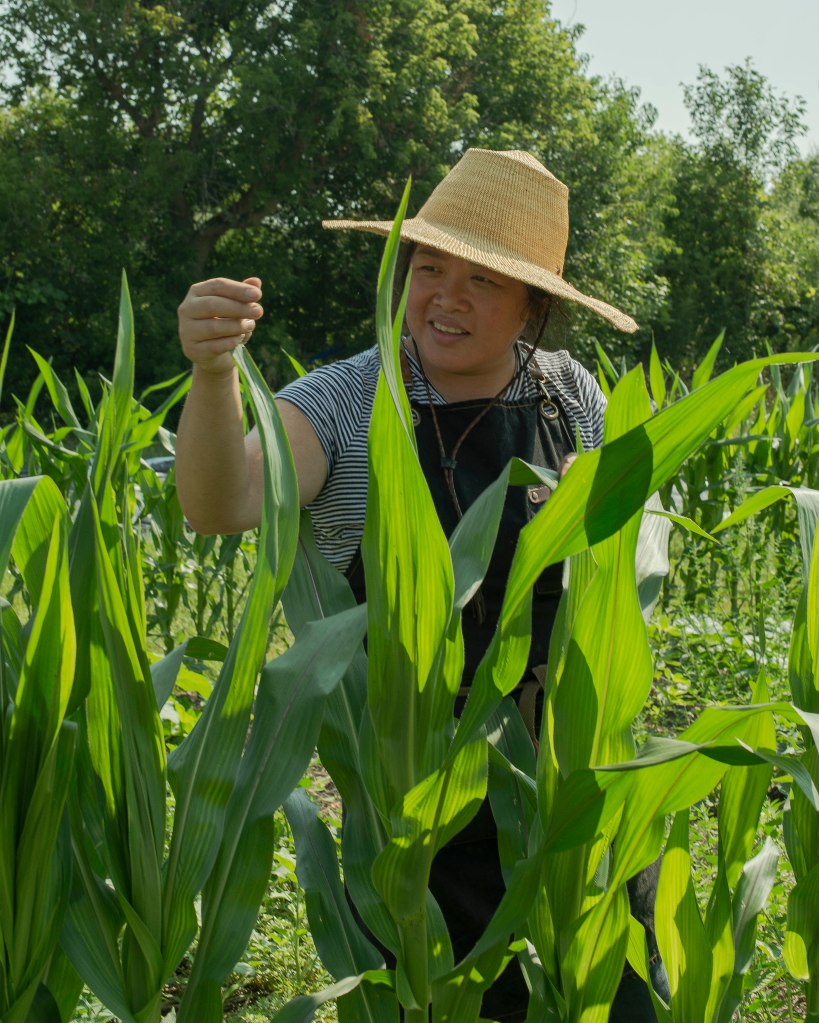
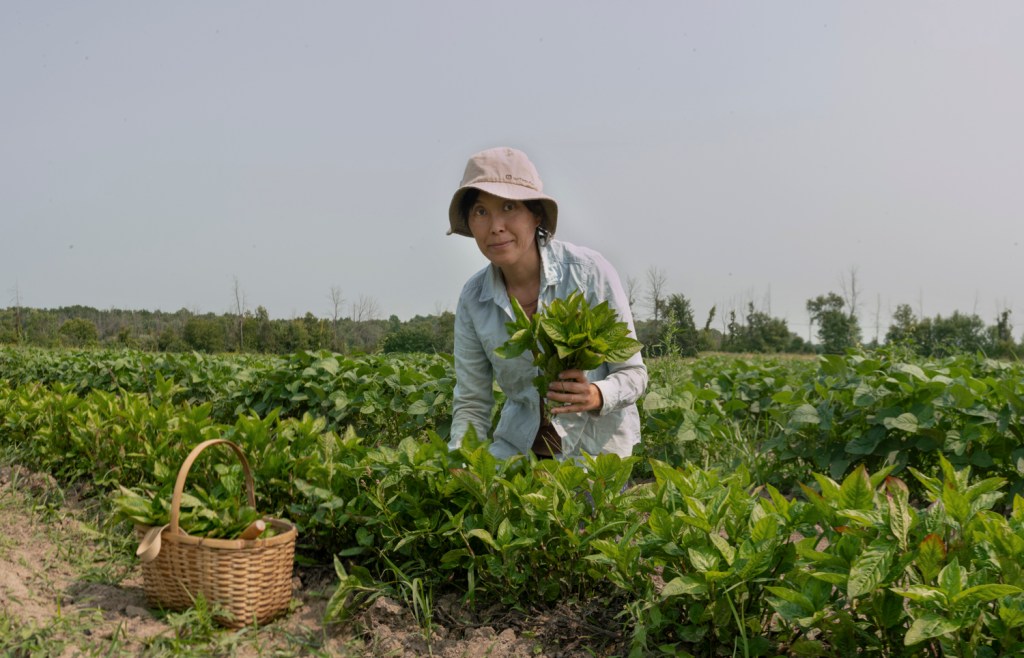
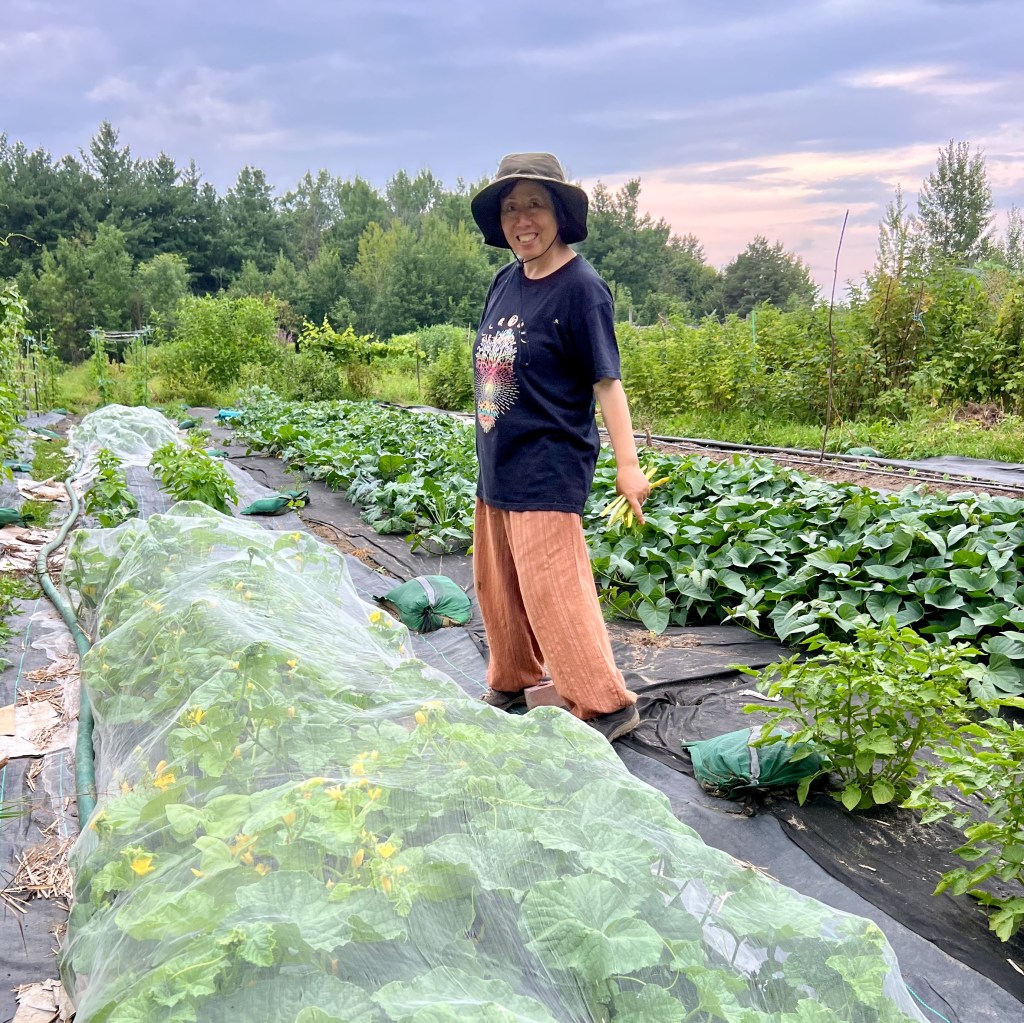
Kumiko of Jambican Studio Gardens

Image: Barbara Brown – Kumiko picking her indigo crop

Kumiko grew up surrounded by her family’s rice fields in Japan. Wanderlust and the travel bug took her to New Zealand, where she worked on a variety of farms. Eventually, her travels brought her to Canada, where she settled down and married a farmer. Though she never actually wanted to be a farmer, she has embraced the life and work of a mixed vegetable farm and works alongside her husband.

Jambican Studio Gardens is located half an hour outside Ottawa, on the edge of a small town. Kumiko’s husband and his family have owned the farm for two generations. Their focus is a blend of Jamaican and Asian vegetables, which includes trials with rice, sorghum, burdock, and many types of soybeans and Asian greens. This year, Kumiko is experimenting with indigo and using its fresh leaves for dyeing natural fibres. Kumiko is drawn to traditional food-ways and is learning (or re-learning) to make fermented products like Miso Tempeh, and Natto. Guided by an energetic connection with the plants she grows, she works exclusively by hand using hand tools, leaving the tractor work to her husband. Together, they tend a large area of approximately 7 or 8 acres with little outside help.

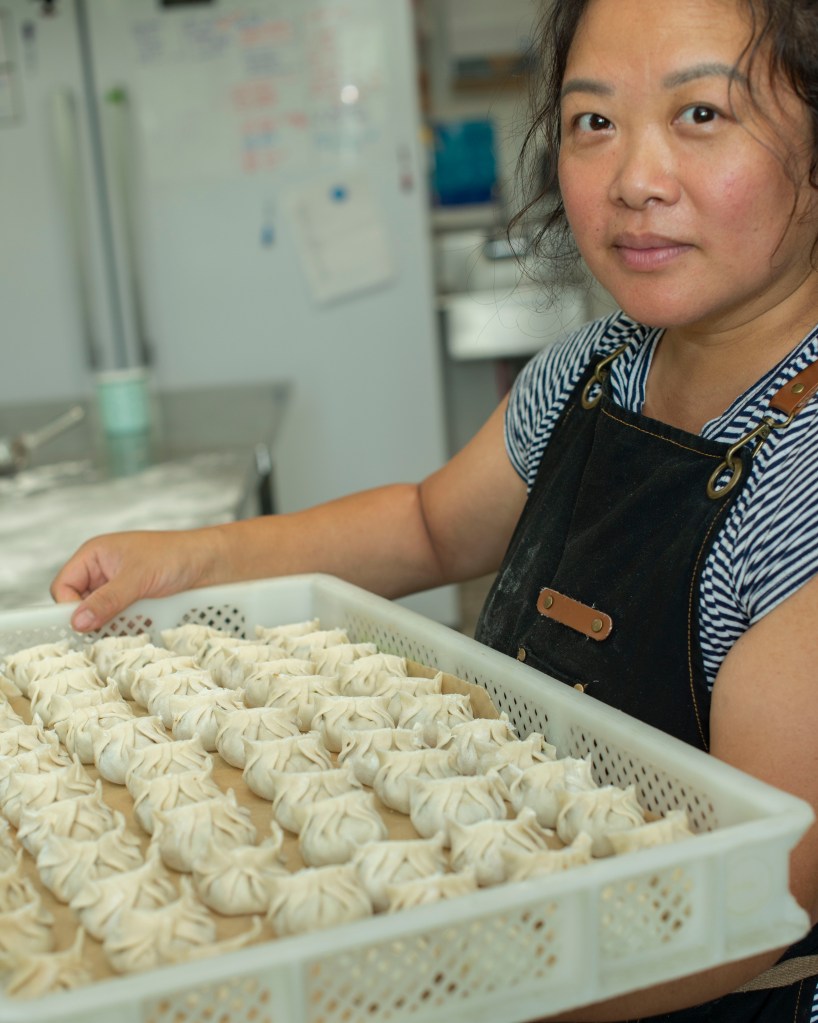
Li Xu of Seven Hues Eco Farm

Image: Barbara Brown – Li Xu harvesting at her Seven Hues Eco Farm

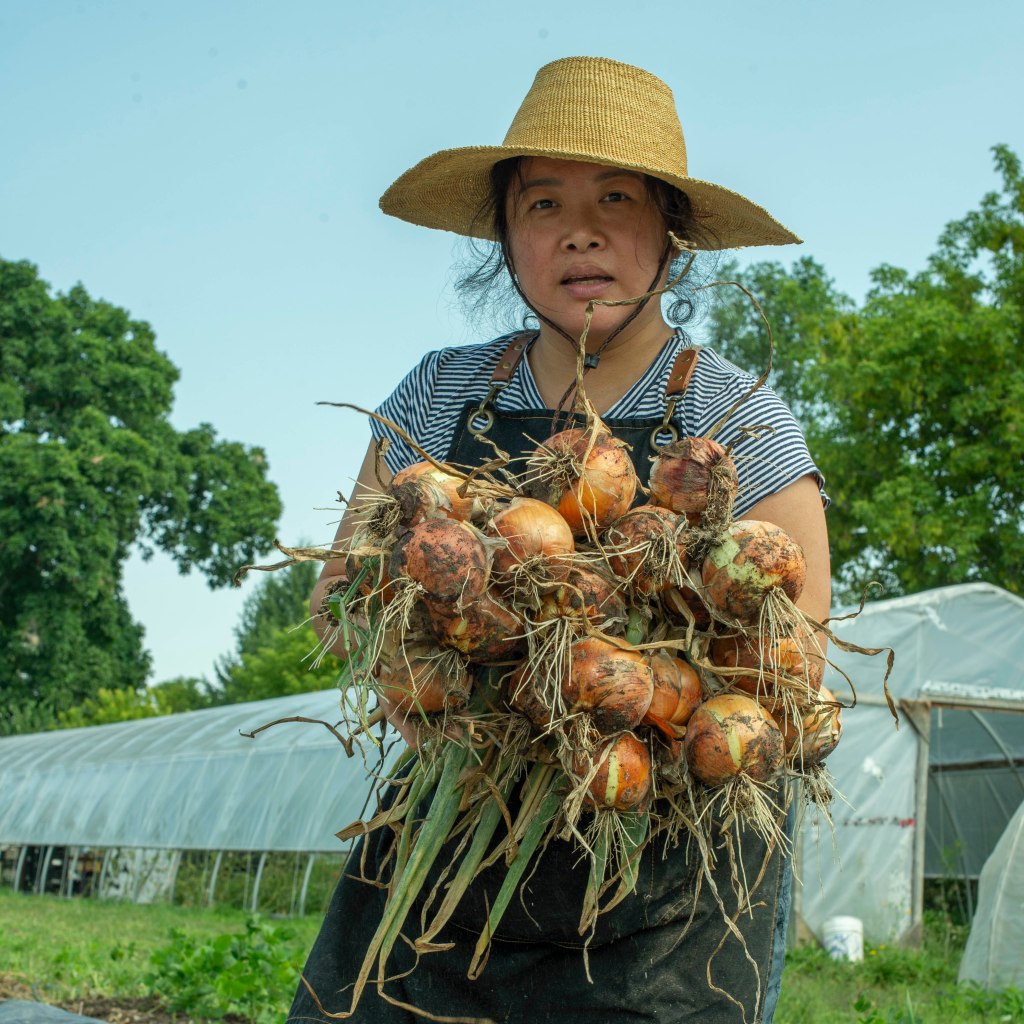
During the pandemic, Li Xu started Seven Hues Eco Farm as an incubator project on a half-acre plot at Just Food Farm on the east side of Ottawa. As a young person in China, Li wanted to be a horticulturist but opted instead for an academic path. However, life in Beijing as an academic, and dealing with the ghosts of the Cultural Revolution and the heavy pollution of urban density did not sit well with her and Li came to Canada to complete her PhD in sociology. Once established in her work with the government, she once again turned her attention to nature and plants.
Learning and re-learning as she goes, Li grows a large variety of Asian vegetables, including bok choy, luffa, bitter melon, yard-long beans, sesame, peanuts and even Asian pears. Traditional Asian vegetables bring her comfort, along with memories of the food of her childhood in China. It’s important to her to have ready access to the vegetables she grew up with, as well as the 20 varieties of tomatoes she grows. Her farming also brings her in close contact with nature, which was soothing during the pandemic and beyond.
Farming for Li Xu is a way to both connect to nature and enjoy a sense of community belonging.

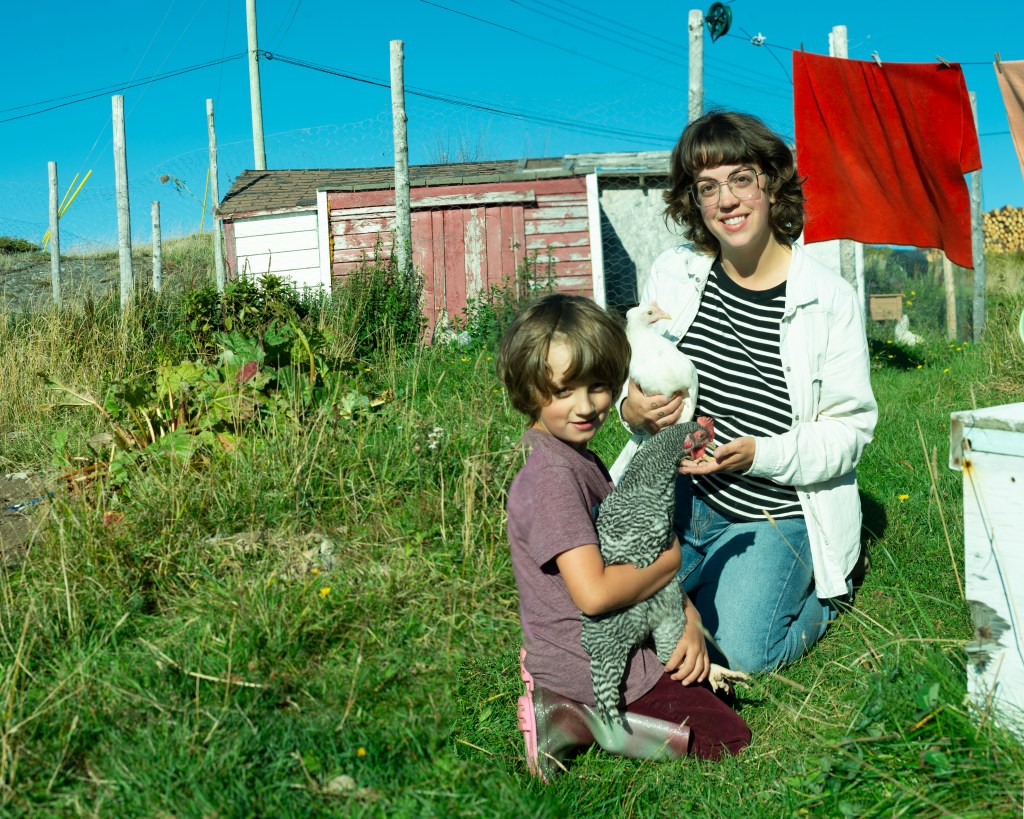
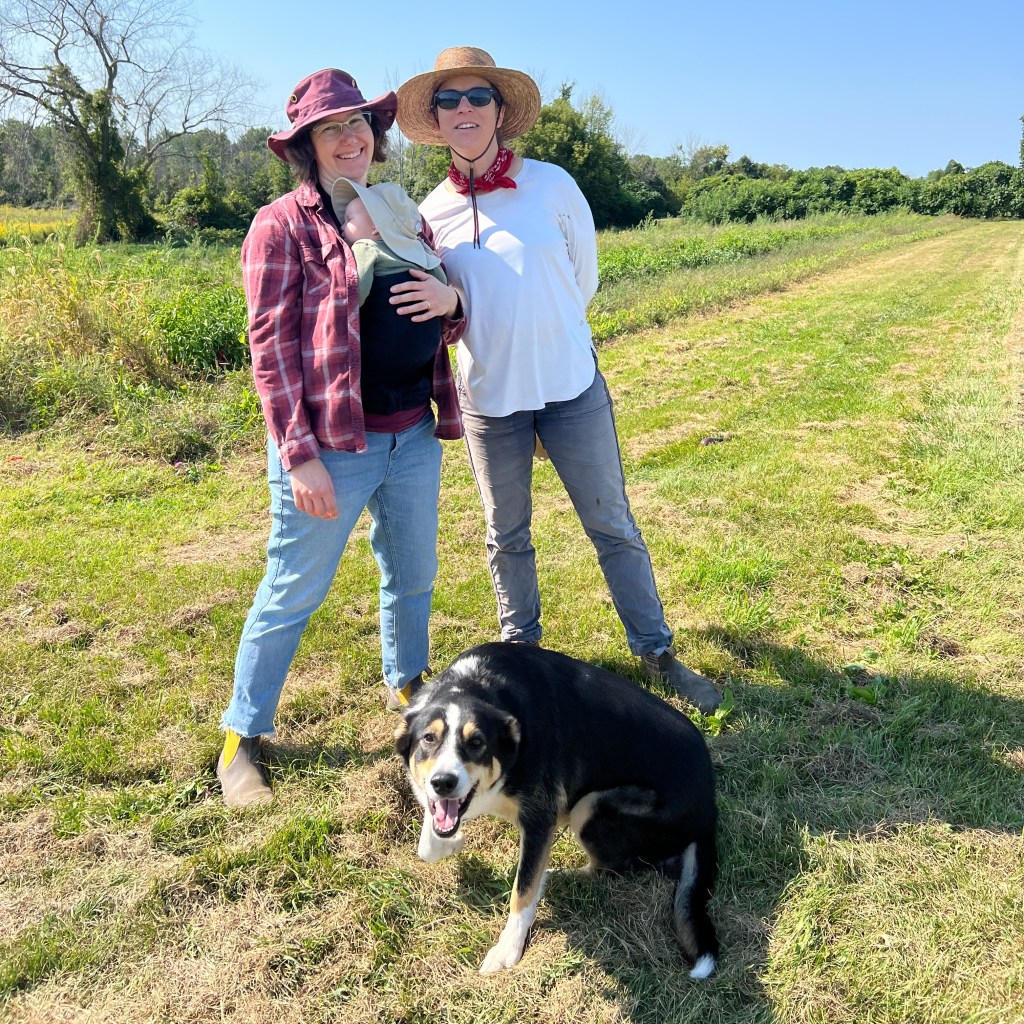
Heather and Stephanie of Fiddlehead Farm

Image: Barbara Brown – Heather, Stephanie and baby Molly at Fiddlehead Farm

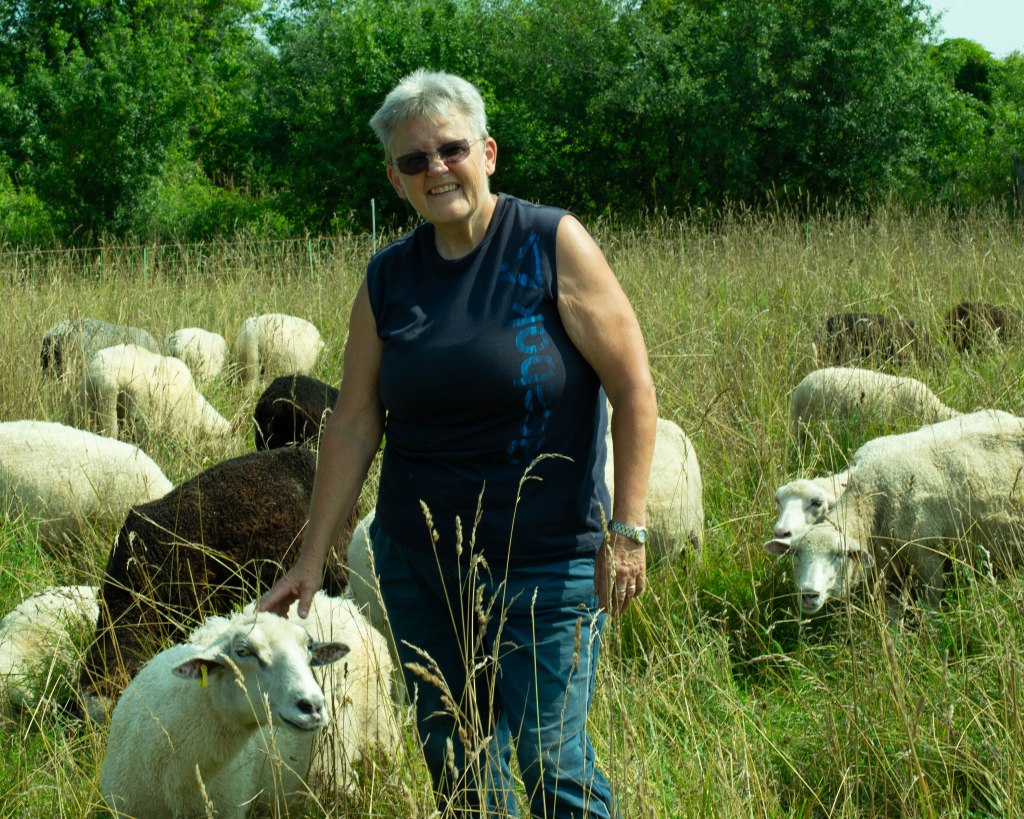
Married with a new baby, Stephanie and Heather offer a community supported agriculture (CSA) program which allows clients to order fresh veggies harvested to their specific requests. They have been farming together for 12 years on 8 acres at the northern edge of Prince Edward County, with a deep commitment to small scale organic agriculture’s capacity to feed the world. They produce a staggering amount of food, focusing on organic methods, biodiversity and rebuilding soil through cover cropping, all to produce tasty vegetables for the local community.

Image: Barbara Brown – Rosalba, Marina and Norma at Fiddlehead Farm

Fiddlehead Farm hosts three temporary foreign agricultural workers from Mexico, Rosalba, Norma, and Marina who live together in the old farmhouse on the property. They live in Canada for approximately 8 months of the year, returning home between contracts. Coming from an agrarian background, they are no strangers to hard work. They work as a team on tasks together and maintain a steady flow of conversation throughout the day.

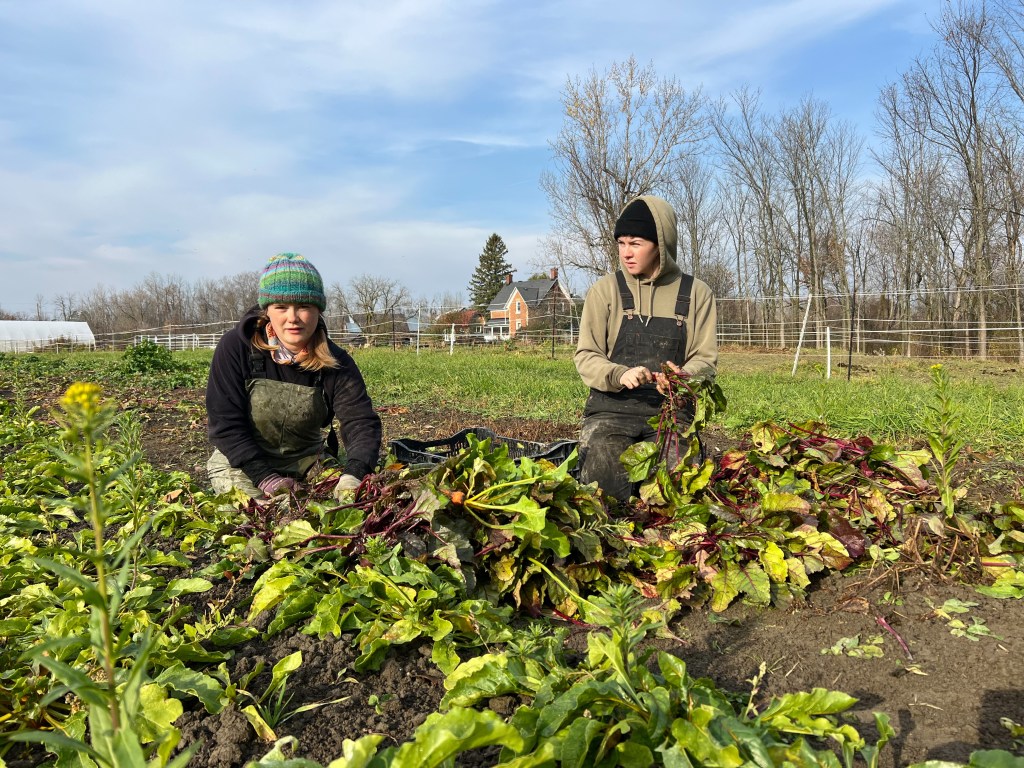
Camille, Tess, and Willow of BeetBox Co-op Farm

Image: Barbara Brown – Willow and Tess harvest the last of the beets at BeetBox

Attracted to the idea of a worker-run co-op, these three young people form part of the farm team at BeetBox Co-op Farm, also a CSA model where members pay in advance for their vegetables. Just on the fringe of the City of Ottawa in the Greenbelt, the farm is owned by the National Capital Commission and leased to the co-op. Part of the legacy of small mixed farms in this area, it provides land for several small agro-businesses, including a garlic grower, a dry land Jamaican farmer, a community garden and a forest school.

Image: Barbara Brown – Camille, Farm Manager at BeetBox Co-op Farm.

These three young farm workers are the heart of the farm, providing leadership, labour, organizational skills, and innovation. They find joy in working collectively, allowing each person to be both challenged in new areas and take a leadership role in areas of their expertise. Camille shines in her role as manager, working from a cooperative perspective. Willow tried her hand at commercially growing flowers as well as directing the weekly vegetable harvest. Tess learned new skills in running and maintaining the farm’s tractor and used their writing skills on social media to produce the farm’s weekly newsletter. Working collectively, they find they can support each other in noticing the profound beauty in their work alongside the backbreaking effort required in all weather conditions.

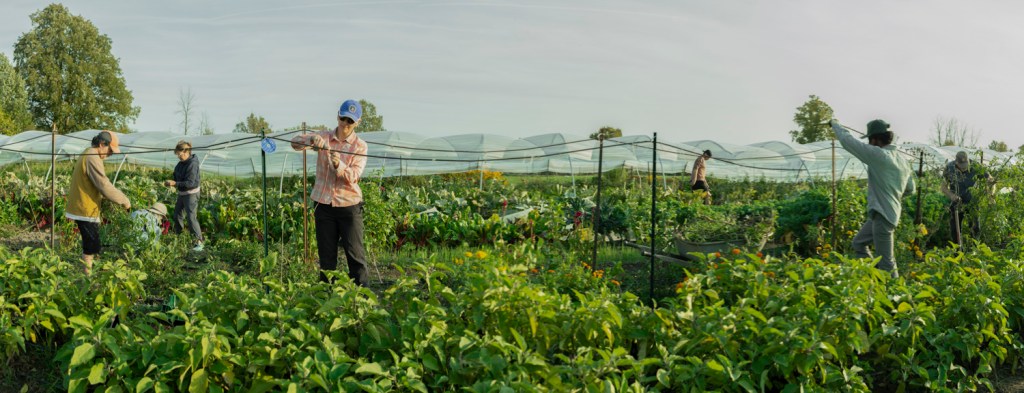
Community Farm: A Project of BeetBox Co-op Farm

Image: Barbara Brown – Community farm hosted at BeetBox Co-op Farm

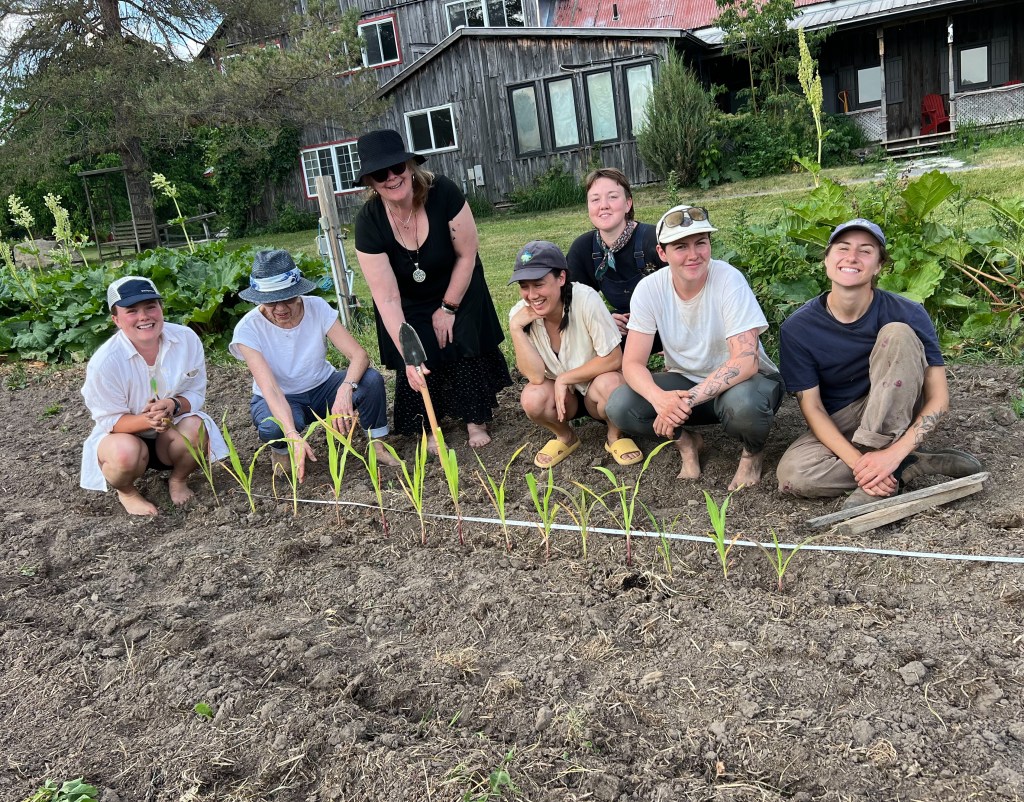
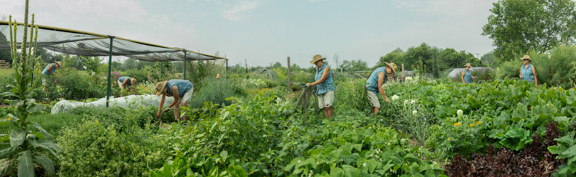
While photographing and interviewing the farm workers at BeetBox Co-op Farm, I noticed groups of people working together, gathering surplus vegetables from the commercial operation and tending to their own half-acre plot of vegetables. I came to learn that 50 to 70 people a week collectively grow their own vegetables with the support and cooperation of the commercial side of the farm. Working evenings and Saturday mornings in small groups, they mirror what is grown commercially, all the while fostering community connections and making friends. A pandemic project now in its fourth year, they are able to produce so much food on half an acre that they feed 50 to 70 families a week and donate the surplus to a local food bank.

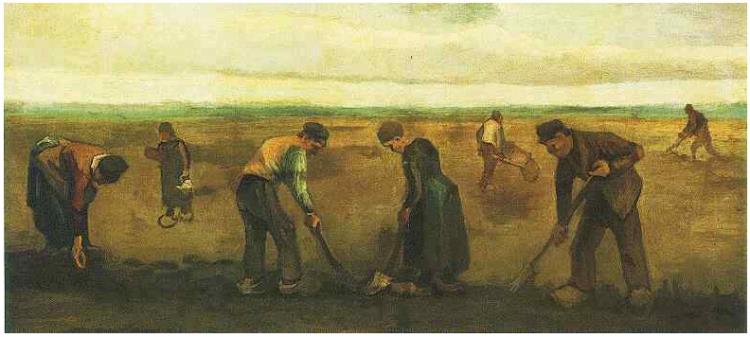
Image: Van Gogh – Humans have been farming cooperatively for thousands of years.

Lake Cowichan Artist Residency

A Position on Retreat, Cowichan, Vancouver Island, B.C.

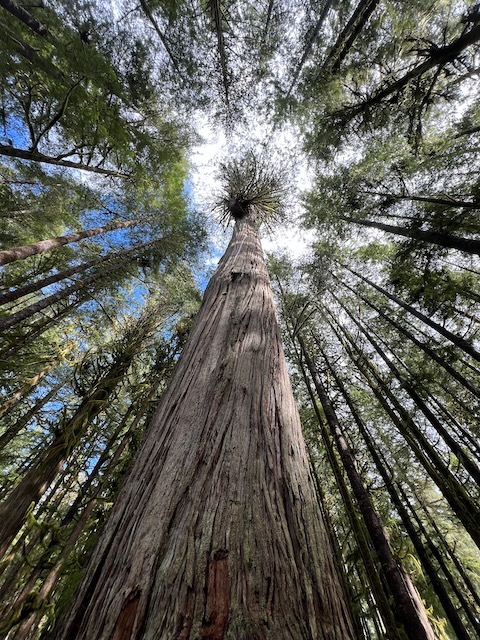
Douglas Fir Forest

Arriving in a new place requires a certain amount of settling in. Part of that process is getting out and exploring, seeing where you’ve landed, and learning something about this new environment. For me, it’s a very tactile connection that I seek. I like to immerse myself in a place to understand it—not only the grand vistas and views but also the small details. They all contribute to the story of the place.

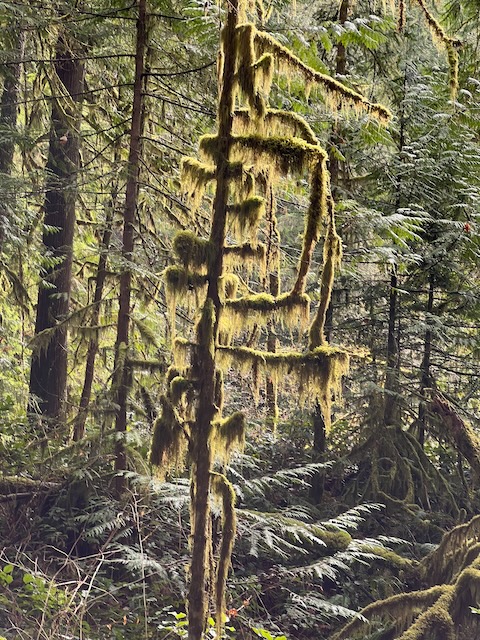
Moss everywhere!

Likewise, it’s important to connect with and get to know your fellow companions. I’m always curious when meeting new people or artists. There’s the initial impulse to compare yourself, but this eventually gives way to companionship through shared adventures, making meals together, and talking at the table or in the studio. It’s a delicate balance to show an interest in the work of others while also allowing them the time and space to create new things, even when they themselves may not be entirely sure of them.

kika from Holland

Kika at her daily practice.

Dan with his ancestor portraits.

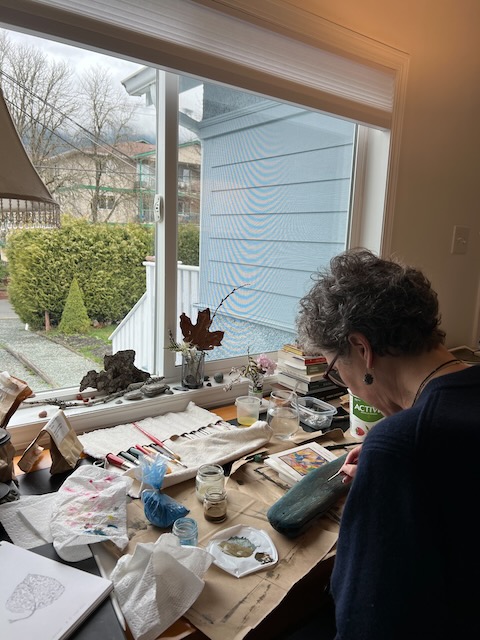
Elaine painting in the sun porch.

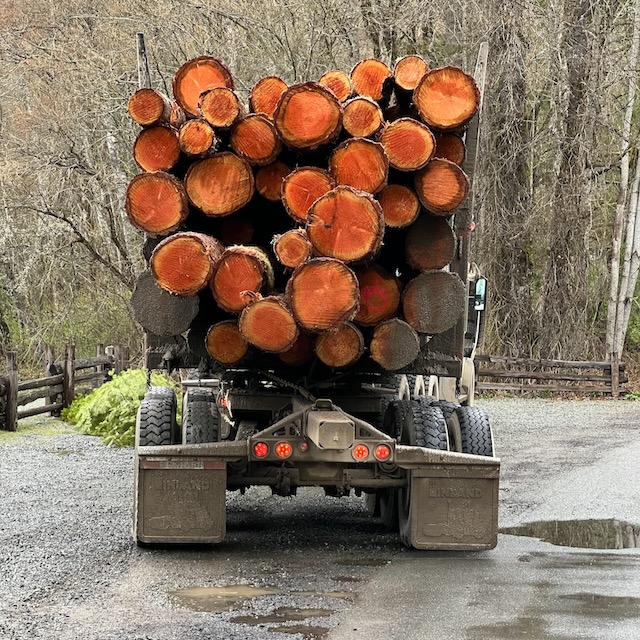
Dividing time between outings and art-making can be challenging. I came to Lake Cowichan to spend time in the forest, exploring, observing, or rather just being—sensing, and tuning into the slow rhythm of the woods. The small town of Lake Cowichan leads directly into endless forests, so there’s plenty of territory to explore. Much of the area, however, seemed to be either clear-cut, replanted, or actively being logged.

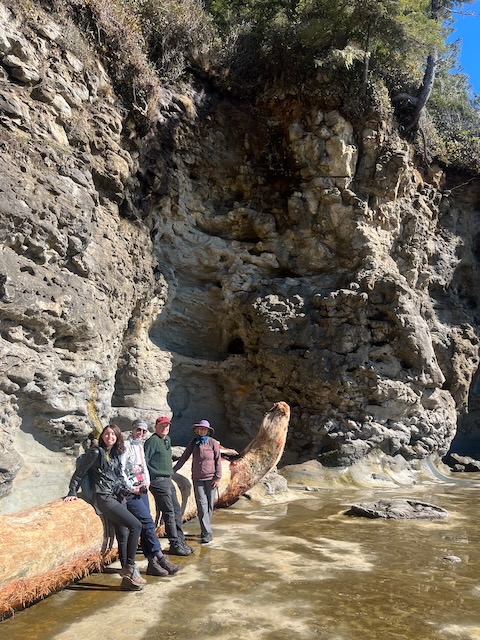
A magical visit to Botanical Beach.

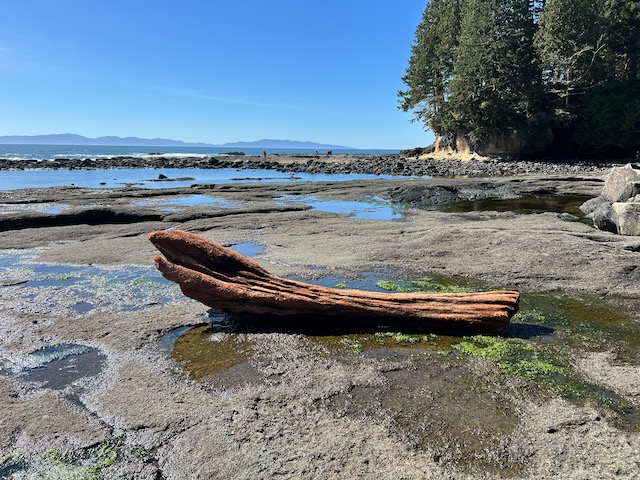
Botanical Beach at low tide.

Treasures in the clear water of the tidal pools.

We arrived in early spring, a time of transition. Snow still covered the mountaintops, making the clear-cut areas—sections of the mountainside where all the trees had been removed for logging—very visible. It was shocking to imagine the forests I loved so much being reduced to piles of logs, loaded onto trucks and driven down the highway. But at the same time, I loved the Douglas Fir flooring throughout the house where we were staying.

The forest loaded on logging truck headed down the highway.

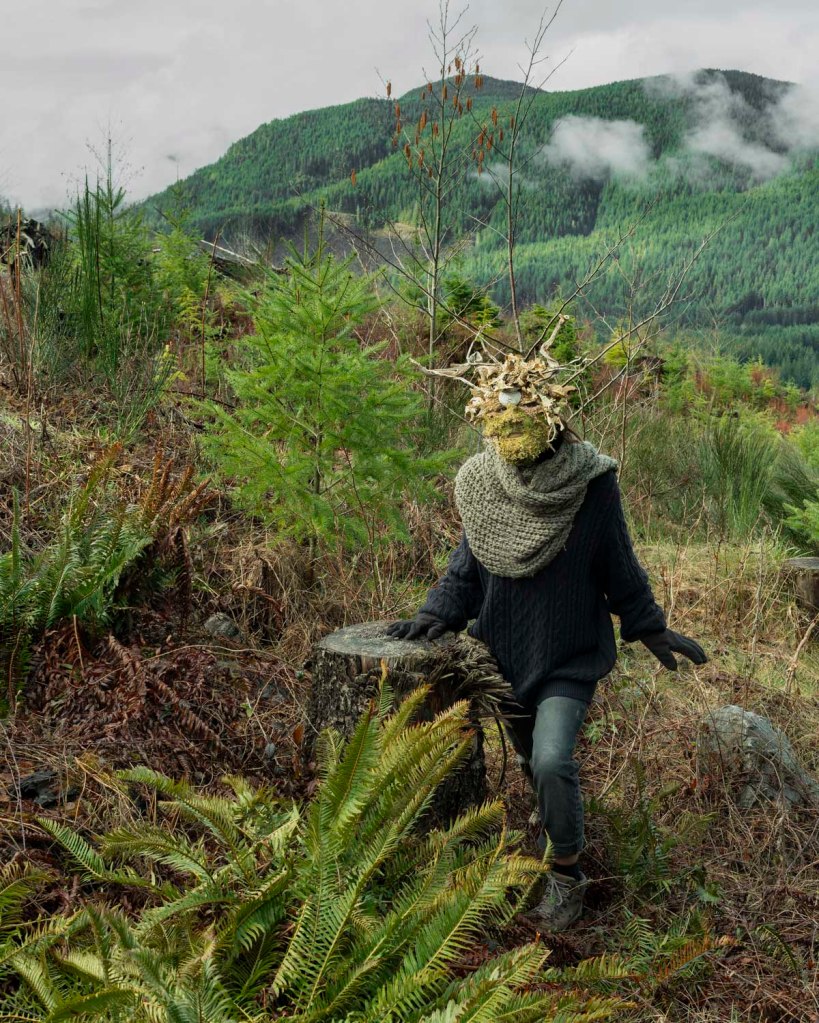
My initial plan was to create a series of environmental portraits using masks I had made from materials gathered in the forest. I set out looking for suitable locations and then planned photoshoots when the weather and timing allowed. Scouting locations that would allow the masks to blend into the environment brought a particular focus to how I observed my surroundings, allowing me to notice details I might otherwise have overlooked.

Forest Kyn mask embeded in the trees.

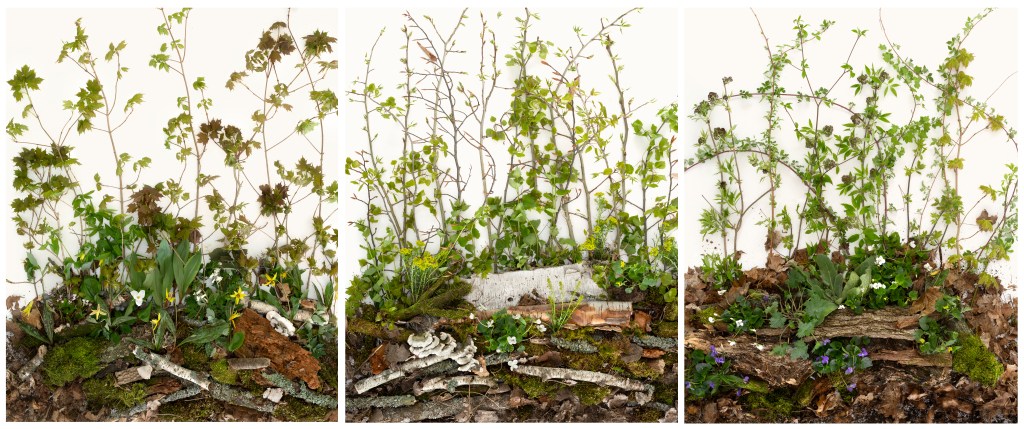
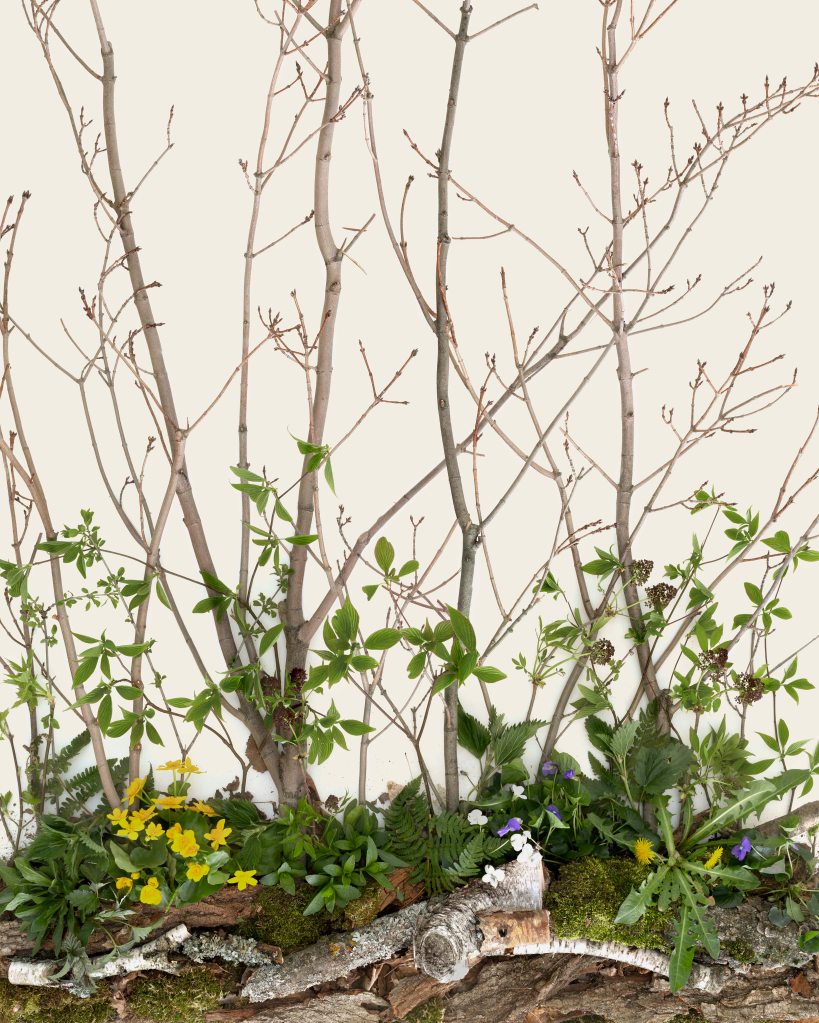
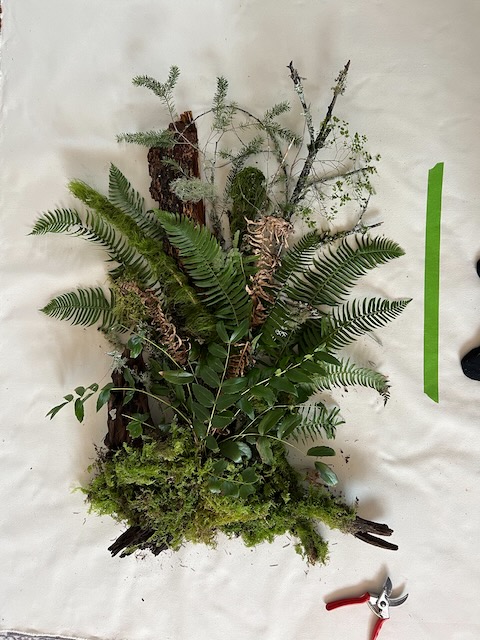
Along the way, between various outings and adventures, I began to notice what Dr. Suzanne Simard calls “mother trees.” These are old, fallen trees that become the foundation and support for the next generation of trees. It’s not unusual to see many new trees sprouting from a stump or log. Inspired by this idea, I noticed a large piece of driftwood at the back of the residency house, and an idea landed: I would create a series of “Mother Tree” images featuring mosses, lichens, and spring ephemerals—native wildflowers.

The begining of Mother Tree compositions.

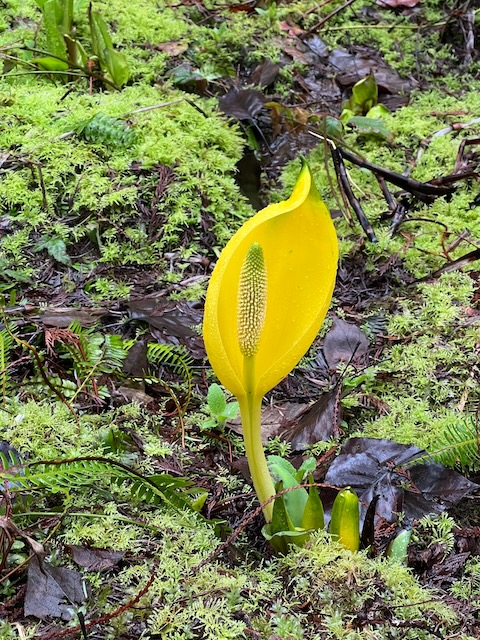
Skunk Cabbage or Swamp Lantern is one of the spring effemerials that is very striking in the forest.

With the cooperation of my fellow resident artists, I was also able to create a couple of environmental portraits set in the clear-cut areas, featuring my Forest Kyn masks. It took considerable planning and negotiation to set up a photoshoot while en route across the island to visit the wild beaches on the west coast. The weather didn’t look promising, but as we drove toward the site I had scouted on an earlier trip, the weather changed, and the rain stopped. Sometimes, you get lucky!

Forest Kyn in the cut block.

Masked Forest Kyn figures in the cut block.

All in all, the residency experience was perfect. I was able to accomplish what I had planned and also tackle some new ideas that hadn’t been previewed. What more can an artist ask for?

Alchemy Artists Residency

Prince Edward County


Thyme Again Gardens

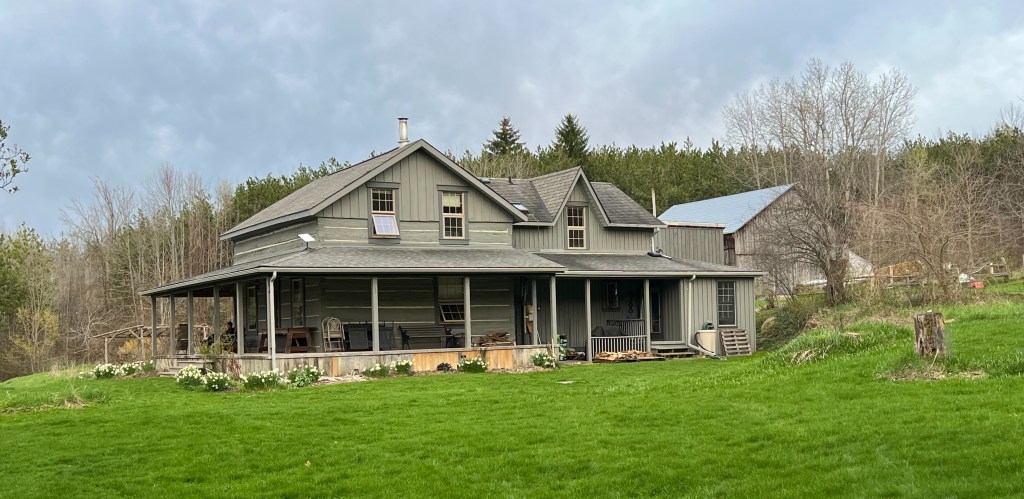
Alchemy Artists Residency is all about food and the sense of community that is generated when people gather together to make and share good food. Naturally when artists gather together with a focus on food it is always a creative adventure. My experience in Alchemy 2023 did not disappoint. This is the third time I’ve participated with Alchemy in Prince Edward County. Each visit has been different as Alchemy’s program has evolved in response to the interests of the artists and the needs of local community.

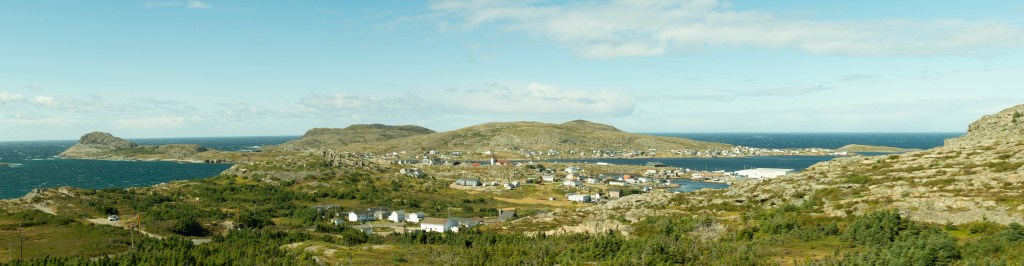
Ontario’s Prince Edward County (PEC) is an old agrarian community in a rural setting, just sound of Bellville Ontario. The beautiful summer weather, long sand beaches and many farms and wineries all contributes to the charm of the place. There is something deeply restorative about the wide horizons everywhere. We entered the county at Carrying Place, the shortest crossing between two bodies of water as named by the original People in the area. We were mindful of the presences of the First Nations for millennium in this special place.

http://pectrails.ca/trail-info/history/first-nations-in-pec/

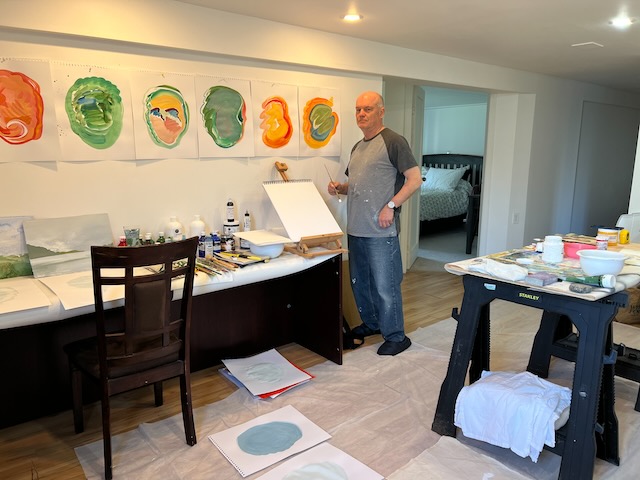
This year, my partner Dan Sharp, who is a painter, joined the group as a participant. I was paired with Thyme Again Gardens and Dan was paired with Broken Stone Winery.

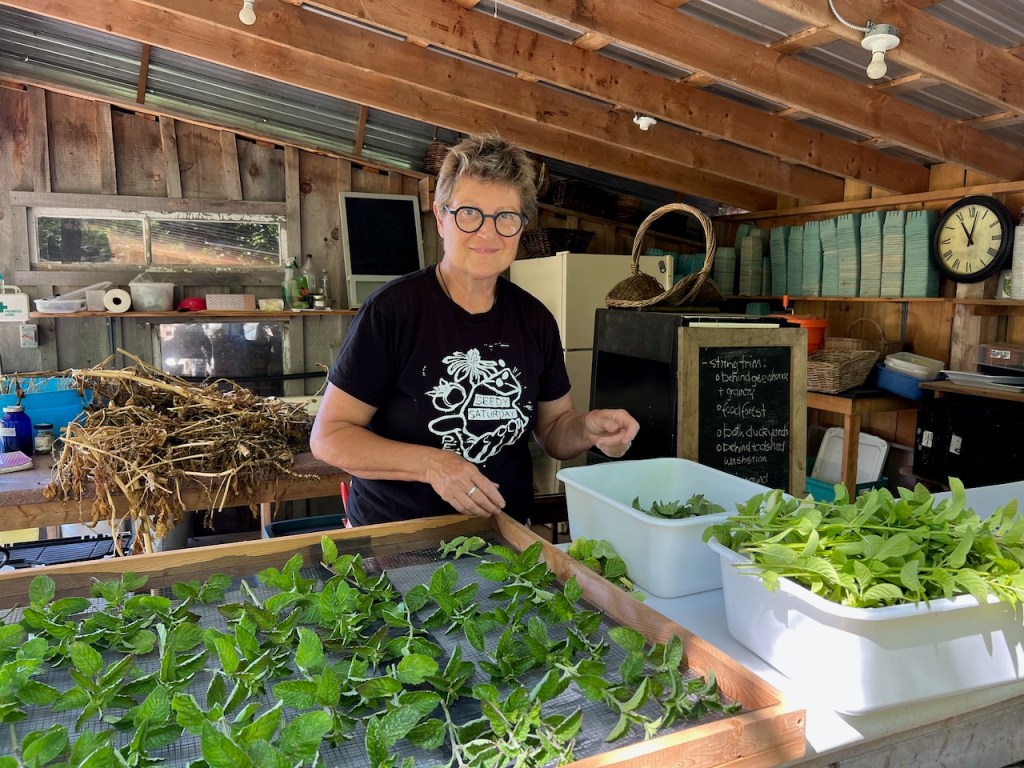
What a thrill it was for me to be able to spend two weeks photographing such a dynamic couple as Lori and Lorraine at Thyme Again Gardens and see their life’s work in action. My inquiry is a continuation of the project that began last year Sowing the Future: Women Farmers + Eco Agriculture with Farmer and Artist Jess Weatherhead and Eco Poet Diane Perazzo. Sowing the Future is a survey of seven women farmers engaged in sustainable farming practices in the Ottawa area. This year I had the opportunity to make an in-depth study of one farm and the two women farmers who run it.

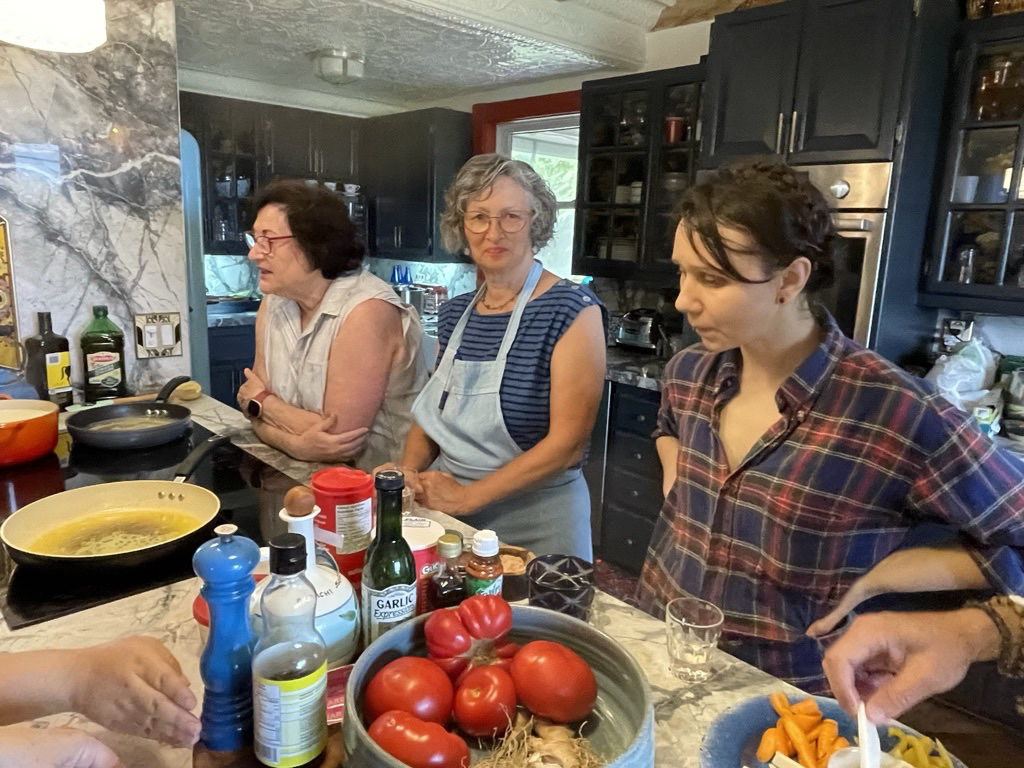
At the residency we had a weekend to get settled and to get to know the Alchemy participants through a classic Alchemy activity of making pasta featuring farm fresh county eggs. This year’s learning was ravioli stuffed with home made ricotta and served with sage brown butter.

Dinner preparations.

Back at the residency we gathered most evenings to cook together and debrief on the days activities. The conversations were wide-ranging and always topical, touching on the new learning and the struggles of the day. Some days ended with a visit to the local beach where there are almost always waves to jump in.

Lorraine at Thyme Again Gardens
Lori at Thyme Again Gardens

As the days passed, a focus came to the various artists’ work. Dan began making and painting with the local “mud” from the winery he was paired with. Adriana gathered plants to see what colours they would offer for dying fibres. Patti made a series of cyanotypes with the local plants and taught some of us how to make a cyanotype. Annika experimented with ways of tinting her dumpling dough with colours found in the processes of wine and cheesemaking at her winery. I photographed the seeding, transplanting, planting, weeding, harvesting and processing of food and flowers at the farm.

The days were full and so were the evenings. It was an intense two weeks and a stark contrast to the mostly quiet days we have at home. It took some adjustment but was a very welcome time under the wide open skies of the County.

On the last day I asked the two farmers to work with me to make a staged composition that reflected the various activities they carry out in their gardens. The results ended up being what I choose to exhibit in their farm stand. I made an image that had seven versions of Lorraine working in her gardens. Tending Kin shows the repetitive gestures of caring for the plants. It’s a kind of compressed version of my time at the farm.

Sowing the Future in Wakefield, Quebec

Sowing the Future is on exhbition at the Biblio Wakefield Library until April 2023

AN ARTS PROJECT ABOUT WOMEN FARMERS ENGAGED IN SUSTAINABLE FARMING PRACTICES IN THE OTTAWA / OUTAOUAIS REGION.

Please join us for a Community conversataion: Exploring the Intersection between Art and Our Relationship to the Land

SUNDAY, JANUARY 29, 2023 AT 2 PM – 4 PM

Biblio Wakefield Libary, 1-38 de la Vallèe de Wakefild, Wakefield, Quebec

This event is free and there is no registration required.

Please join us for an open conversation hosted by Alice Irene Whittaker about sustainable farming practices as seen through the lens of the arts and how both can work together. The farmers of Sowing the Future have inspired painting, photography and poetry and we invite you to listen to and offer your perspective on ways the arts can support of the local food shed in a way that enhances our physical, emotional and mental wellbeing in this rapidly changing world. 

Our Host, Alice Irene Whittaker, is a writer and environmental leader. She is the creator and host of Reseed, a podcast about repairing our relationship to nature. She has been published in national and international publications, including The Globe & Mail and Permaculture Magazine, and her book Homing will be published in Fall 2024. Recently she became the Executive Director of Ecology Ottawa.

Light refreshments will be served.

Sowing the Future is on exhbition at the Biblio Wakefield Library until April 2023

Biblio Wakefield Libary, 1-38 de la Vallèe de Wakefild, Wakefield, Quebec

SOWINGTHEFUTURE.CA

Women play a vital role in agriculture worldwide, yet they are often not represented in the collective social image of farmers.

Les femmes ont toujours joué un rôle vital dans l’agriculture de par le monde entier. Cependant, elles brillent par leur absence dans l’imaginaire contemporain.

This creative arts project features seven women who are farming sustainably on the traditional Algonquin Anishinaabe lands of the Ottawa / Outaouais Region. 

Participating Artists:

Barbara Brown – photo based artist

Jess Weatherhead – painter

Diane Perazzo – Poet

Appartment613 article

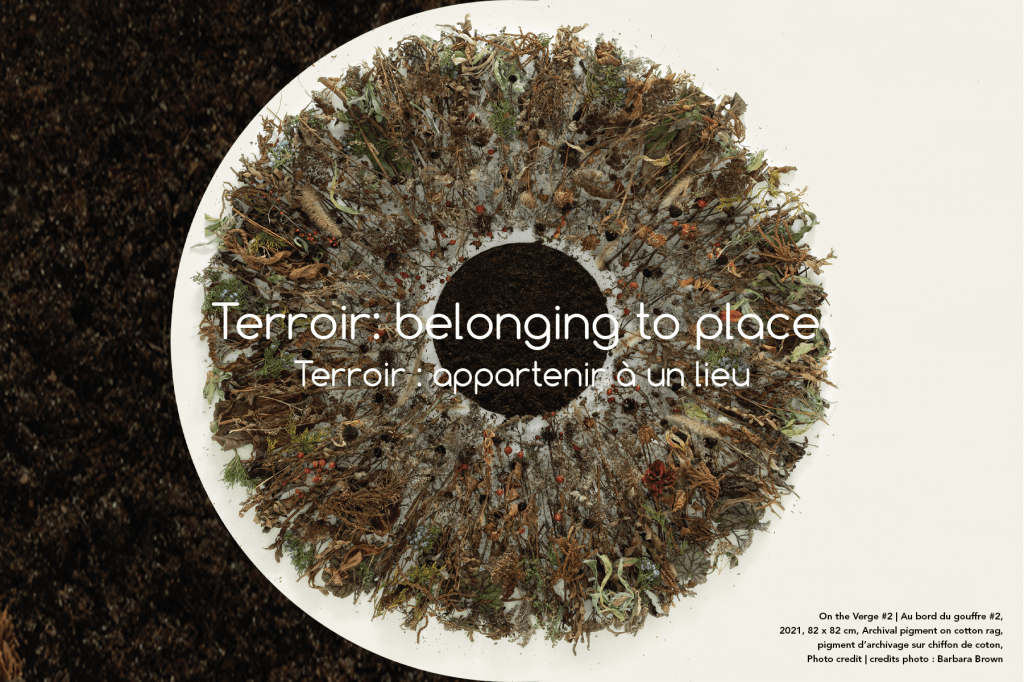
Terroir: belonging to place

Opening on January 3rd and running until February 5th, 2023 at the Ottawa School of Art

Artist Reception Thursday January 19th from 5:00 until 8:00 pm.

Byward Market Campus

35 George Street

Gallery Hours

Monday to Thursday | 8:30 am to 9:00 pm

Friday and Saturday | 8:30 am to 4:30 pm

Sunday | 12:00 to 4:00 pm

Gratitude to the Ontario Arts Council for financial support.

Artist Statement

Terroir gathers several bodies of artwork by Barbara Brown to navigate a new and yet ancient way for us to know ourselves as part of the natural world. 

The term Terroir is used by vintners to recognize all the aspects that contribute to the quality of wine, such as the sun and wind exposure and slope of the land, soil composition and the local weather, etc. Terroir invites us to adopt an elevated and highly engaged form of attention to the environment.

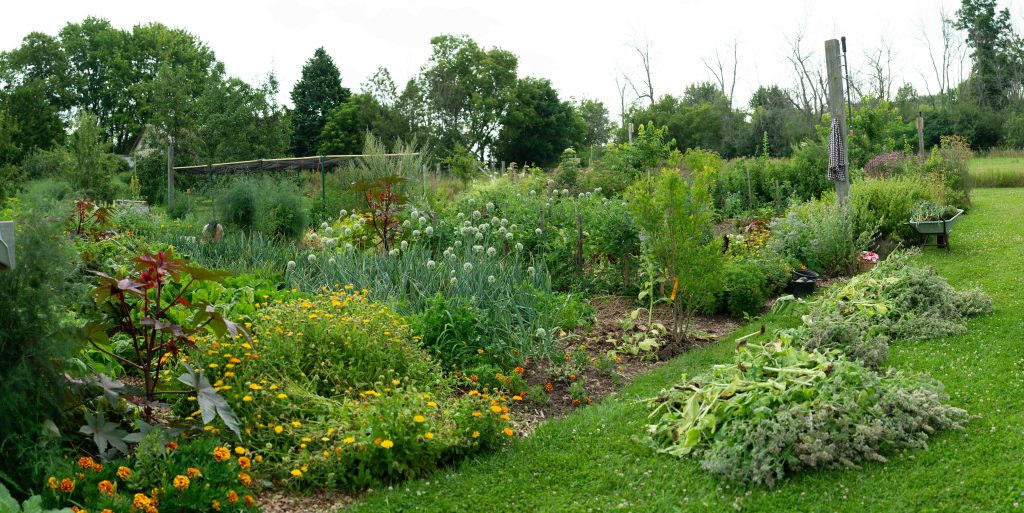
In her practice,  Brown seeks to collaborate in interconnection with the natural world.  Her Longscapes series expands the notion of landscape by elongating the photographic form until it becomes a “longscape”, presented in relationship to plants, allowing for a deeper, more intimate experience of the land.

Dust from the EarthBound series depicts the final step of returning to the earth. In this series of photographs we encounter a figure; a being that evokes the memory of a human now returned to earth. This concept is known in the cycles of the garden where decomposing plants of the previous season become food for next year’s growth. We too are part of this natural cycle. We are bound to the earth, nourished by it and finally return to it. This series may be seen outside the School of Photography Arts Ottawa (SPAO).

Portrait of a Field: Rochester Field is a project that tracks the emergence, flourishing and final destruction of a local “empty green space” just before the arrival of heavy construction equipment to build the new light rail transit line in the west-end of Ottawa. It is a record of what is now likely lost forever.

In wondering just how we are connected to both the earth and those who came before us, Brown constructs an image revealing the rooted system of a plant. She asks, can we recognize the enormity of the ancestry upon which we make our days and not only our human ancestors?  Ancestral Roots take its inspiration from the family tree which stems from an individual, then branches upward to parents and grandparents and so on. Yet this image is reversed with the green shoots as the current generation, supported by masses of roots representing layers of unknowable ancestors.

The Held Bouquets seriesre-introduces human touch by layering embroidery stitches on top of and within photographic images. Stitching slows down the making process and reflects the historic practice of learning embroidery stitches. These compositions are small in scale and are more intimate and familiar to the hand and the needle. In the same way as one learns the stitches of embroidery, these stitches remember flowers that have faded and fallen and recreates what is no longer graced by the full bloom of summer.

Masks are found in many human cultures around the globe as objects that allow role play and shifts of identity. This series of embodied masks arose from Brown’s practice as a forager, as she explored the forests and fields around her and, invites us to see through the eyes of another being in an empathetic and compassionate way. They greet your gaze and show you something of yourself and even function as a tool for transcendence that invites and allows a mental and physical shift as you consider what it is to be of a forest or a field.

Brown’s regard of the plant world in these ways is grounding and orienting. She is inspired by beauty in gardens, fields and forests. We need only look to our natural environment for models of how humans can be more diverse, accepting of newcomers and adaptable to change. Let the natural world that surrounds us in the garden, fields and forests be our inspiration.

Exhbition and Book Launch

Please join us November 3, 2022 from 7 to 9 pm at the Glebe Bloomfields location for a celebratory, one-night exhibition of Barbara Brown’s new print series and accompanying book launch!

The prints and book will be carried by Studio Sixty Six if you can’t make it to the pop up.

On the Nature of Impermanence explores a practice of art making in relationship with time and place. The series was created during a month-long artistic inquiry in Costa Rica in early 2020.

“Working with the anthotype process (an early method of image making using the liquid secretions of plants) is intrinsically related to time, place, impermanence, and transitory nature of life itself. Eliminating the camera reduced the distance between the subject and the image maker, thus allowing for a more direct relationship and encounter.

“Anthotypes are a record of time. I am intrigued by the anthotype process that allows plants to make an image of themselves, with the little human intervention. Is it magic or natural processes well observed?” 

Sign up to receive occassional news and exhibition invitations

Subscribe

Processing…
Success! You're on the list.

* indicates requiredEmail Address *

Add your email to receive occassional news and exhibition invitations.

Sowing the Future

An arts project about women farmers engaged in sustainable farming practices in the Ottawa / Outaouais Region.

Women play a vital role in agriculture worldwide, yet they are often not represented in the collective social image of farmers.

Les femmes ont toujours joué un rôle vital dans l’agriculture de par le monde entier. Cependant, elles brillent par leur absence dans l’imaginaire contemporain.

This creative arts project features seven women who are farming sustainably on the traditional Algonquin Anishinaabe lands of the Ottawa / Outaouais Region. 

Ce projet artistique met en vedette huit femmes qui cultivent de façon durable, les terres traditionnelles algonquines Anishinaabe de la région d’Ottawa/Outaouais.

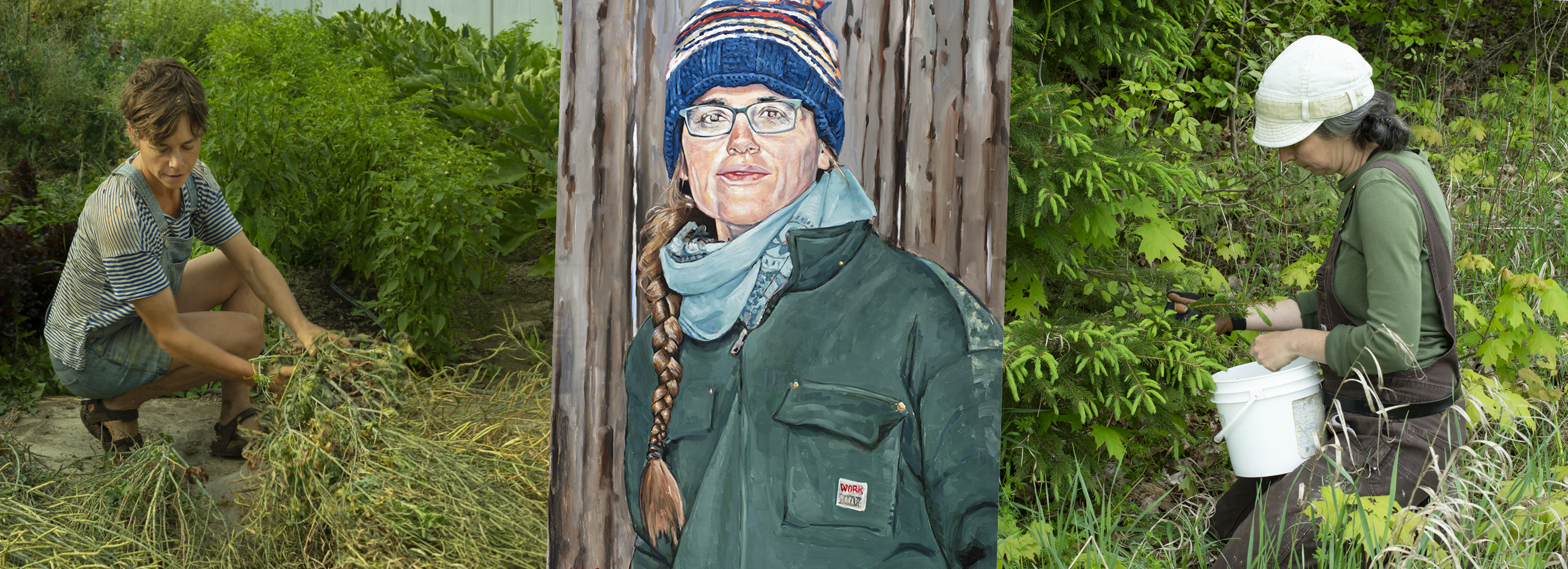
We are creating an arts exhibit which will tell the story of these dedicated farmers by presenting vibrant painted portraits, photos of their farming practice and poetic reflections about their experiences. 

Des portraits peints, vibrants de couleurs, des photographies de leurs pratiques agricoles et des réflexions poétiques représentent chaque femme 

SowingtheFuture.ca

Barbara Brown – photo based artist

Jess Weatherhead – painter

Diane Perazzo – EcoPoet

Opening Reception: Friday September 30th 2022 5 – 7pm
Exhibition: Saturday and Sunday October 1 and 2 from 10am — 5pm

Roots and Shoots Farm
SAINTE CÉCILE DE MASHAM, QC 

Appartment613 article

Field Notes: Exhibition and Tour

Field Notes is an exhibition of seven temporary public art installations and one public reading in Hillier Hall. The exhibitions will be on display at wineries throughout Hillier, Prince Edward County, Ontario. To see the list of artists and locations click here: https://makealchemy.com/exhibition-2021.  Alchemy, 2021 Creatives in Residence, shared how their work brings artists and cooks into community settings. They examine how the making and sharing of art and food makes a difference on two fronts: in the community itself, and in the creative practices of their collaborating artists and makers. In their newest blog below, Alchemy takes you behind the scenes to meet one of their visiting artists – Barbara Brown.  Barbara spent two weeks creating a site specific piece that will be part of the public art exhibition, Field Notes, scheduled for the Culture Days Festival from September 25 – October 24.  She also spent four days in the kitchen contributing to Alchemy’s twice weekly suppers for 40 farm and vineyard workers. 

Alchemy: What was the most positive aspect of your Hillier experience this year? 

Barbara: There is something deeply restorative about being in this open landscape including the huge skies and the wide vista of the lake. I enjoyed being in the County, experiencing the deeply agrarian landscape and meeting people who have tethered themselves to the land through growing. 

Alchemy: How did this year’s visit build on your earlier experience collaborating with Alchemy in the County? 

Barbara: On my previous visit, I met people who were passionately engaged with farming but on a modest scale. During this visit, I got to know a grower/vintner couple who operate on a much bigger scale. While there are many similarities, the larger scale operations have much more at stake and each decision can have a large ripple effect. Growing at the level of a winery is not for the faint of heart.

Artistically, it was great to return to Hillier Hall for many days in a row. It allowed me to further develop the “longscape” work that I first began in the Hall in 2018.

Alchemy: Is there something you learned from your time in the kitchen that you can share with us?

Barbara: I can share two different observations –the first from my kitchen experience: 

Scaling up the volume of cooking and having a hard deadline for delivery certainly upped the stakes. It also shifts the timing as everything takes longer from chopping to cooking to serving. 

Alchemy: And the second?  Is there something you learned as an artist that you will consider incorporating into your own practice?

Barbara: I became aware of the degree of problem solving involved in both cooking and art making. I think this foregrounds a kind of flexible thinking that is healthy and leads to a multitude of possibilities and that’s how I experience art making as well.

Experimental Anthotypes made with wild grapes.

Alchemy: What advice or insights would you offer to incoming visiting artists as they prepare for their residency?

Barbara: Come with a plan but also be ready to shift things up depending on what you experience here. Be open to incorporating new experiences into your practice. Don’t focus on making finished work as the time is very short once you are in the County.

The experience of developing new work on a tight deadline is very challenging but it does lead to getting things done. It takes time for the experience of being in the county to become somehow transformed and incorporated into an artistic output. Sometimes it’s beneficial to have the added pressure of a short timeline but not always. 

Barbara Brown’s installation
Image Credit: Dan Sharp (1), Barbara Brown (2)

Field Notes group exhibition September 25 through to October 24.

Entwined, 42 x 90″. Exhibited at Hinterland Winery September-October 2021.

new/vintage

new/ vintage is a group exhibition of photo-based artworks by Studio Sixty Six artists who juxtapose historical creative production methods with contemporary subjects and outputs.

Each artist individually approaches their photographic medium in a way that skews the viewers’ understanding of the circumstances of how the images are constructed. The illusions that arise destabilize fixed notions of particular times or dates.

Studio Sixty Six Contemporary Art Gallery, 858 Bank Street, Ottawa – 2nd floor
July 9 — August 22, 2021