Season #4, 2025
Sowing the Future: When food Becomes Connection is an arts-based project in its fourth year, with a focus on diversity and inclusivity. This season I got my hands into the soil and started growing corn! The experience changed me and changed the course of the project. I also photographered a couple who have Paperkite Farm in PEC and traveled to Fogo Island Newfoundland where I met an amazing subsitance farmer.
Becoming Maize
This past summer, corn—or rather, maize—took hold of me.
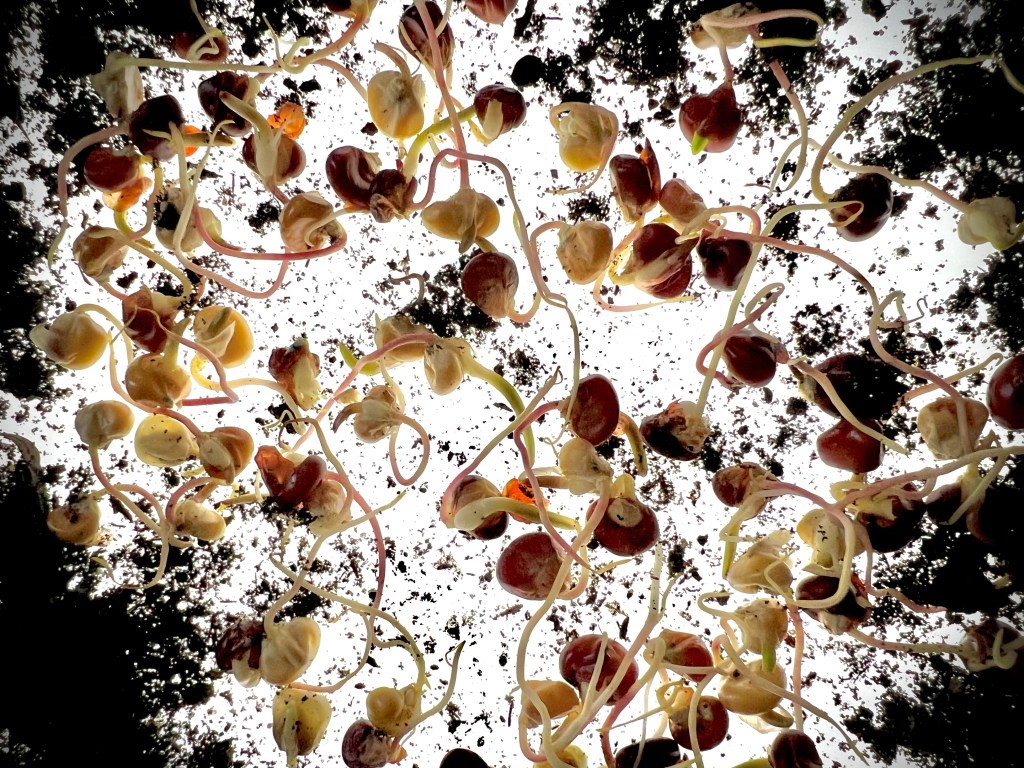
Perhaps the idea began when I photographed temporary foreign agricultural workers, Mexican women working on a farm in Prince Edward County, as part of my ongoing art project on women and farming. I imagined making tortillas as a small act of reciprocity and recognition in response to their labour and presence.
Having tended my own gardens for decades, I felt compelled to plant maize myself, to learn something of her ways. I have a shady city garden, so I had to find a more suitable place to grow corn. When a farmer generously offered a field, the idea took root. What began as a solitary plan gradually became communal. Invitations went out, and to my astonishment, everyone I invited showed up.
On planting day, eight of us gathered in the field. We shared stories of maize, breathed blessings onto seeds, and pressed them into the warm soil. There was a gravity to that moment, different from farm labour, less about productivity and more about presence, closer to ceremony. We ended with a meal, gratitude encircling strangers who no longer felt like strangers. As I drove home, the skies opened. Rain blessed the seeds.
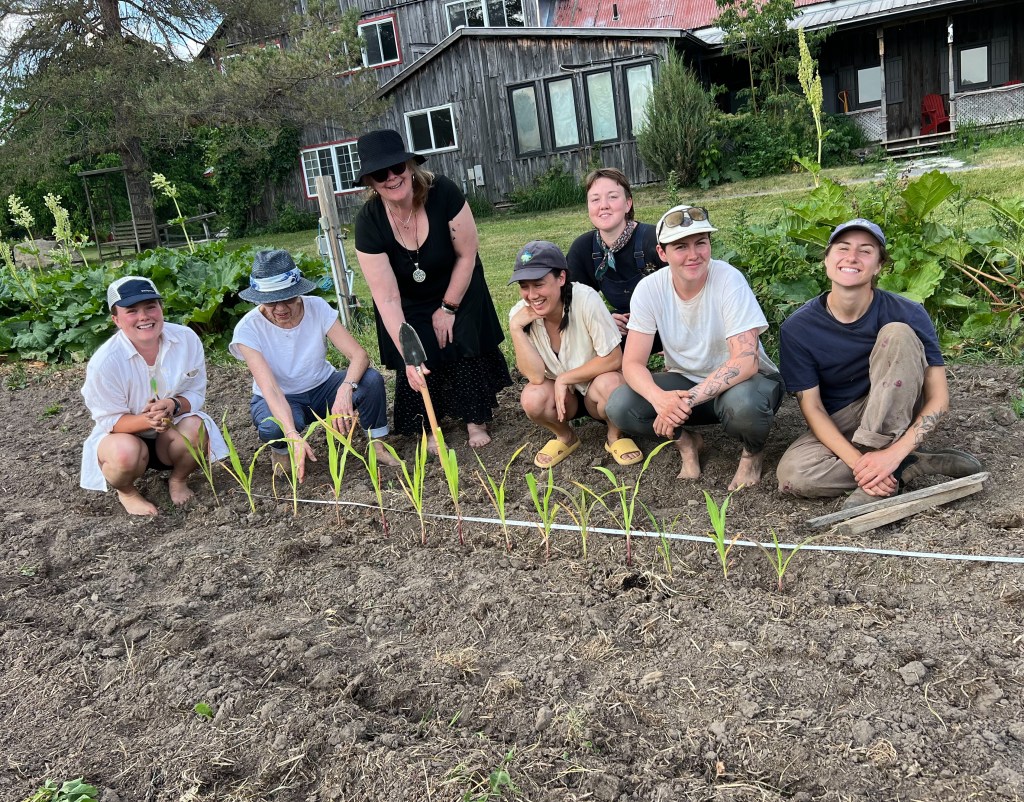
Tending the plot was humbling. Critters devoured a quarter of the seedlings; weeds threatened the rest. I learned to tell maize from grass by its yellow midrib, and I laid the pulled weeds down as mulch—a gesture of transformation, turning what was unwanted into protection. Later, I ringed the field with brightly coloured flags, both in celebration and defence. Tess, my host farmer, noted that they resembled the lesbian flag; I liked that—the maize field quietly asserting its own colours of pride.

Along the way, others entered this story. Joe, a local seed saver, tends rare heritage corn as though it were sacred DNA. Judy grows purple sticky corn from seeds her mother brought from Thailand. Lorraine is growing an Italian variety, Floriana flint corn, and Dakota popcorn. Andy, a Ghanaian academic, is growing four kinds of African corn on a farm within the city limits.
The real harvest was not the bounty of corn I imagined would result from planting, but the learning, the new relationships, and the humbling experience of actually trying to grow food. This project began as curiosity, but it has become something else: a conversation with land, with ethnobotanical history, with maize herself.
Perhaps I chose her, but more truly, she chose me. Stay tuned for further developments and more growing in 2026.
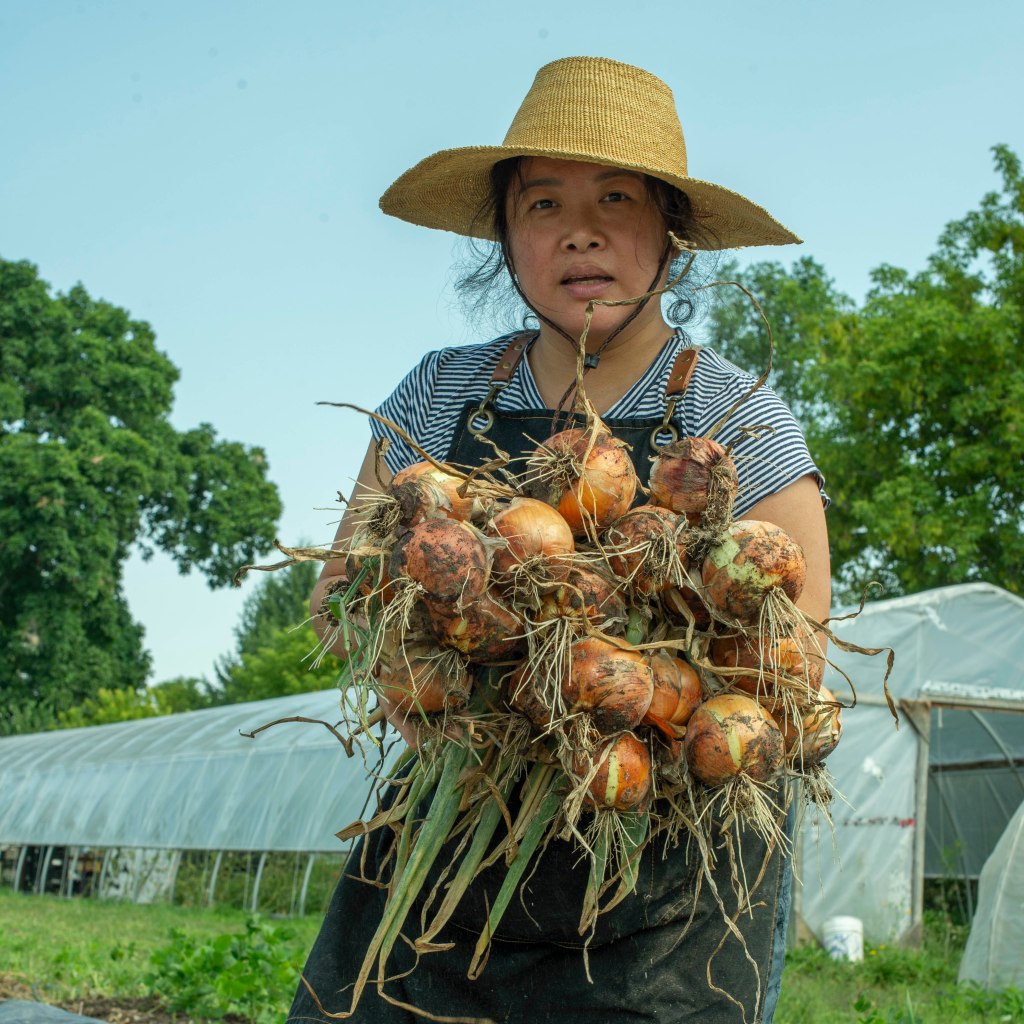
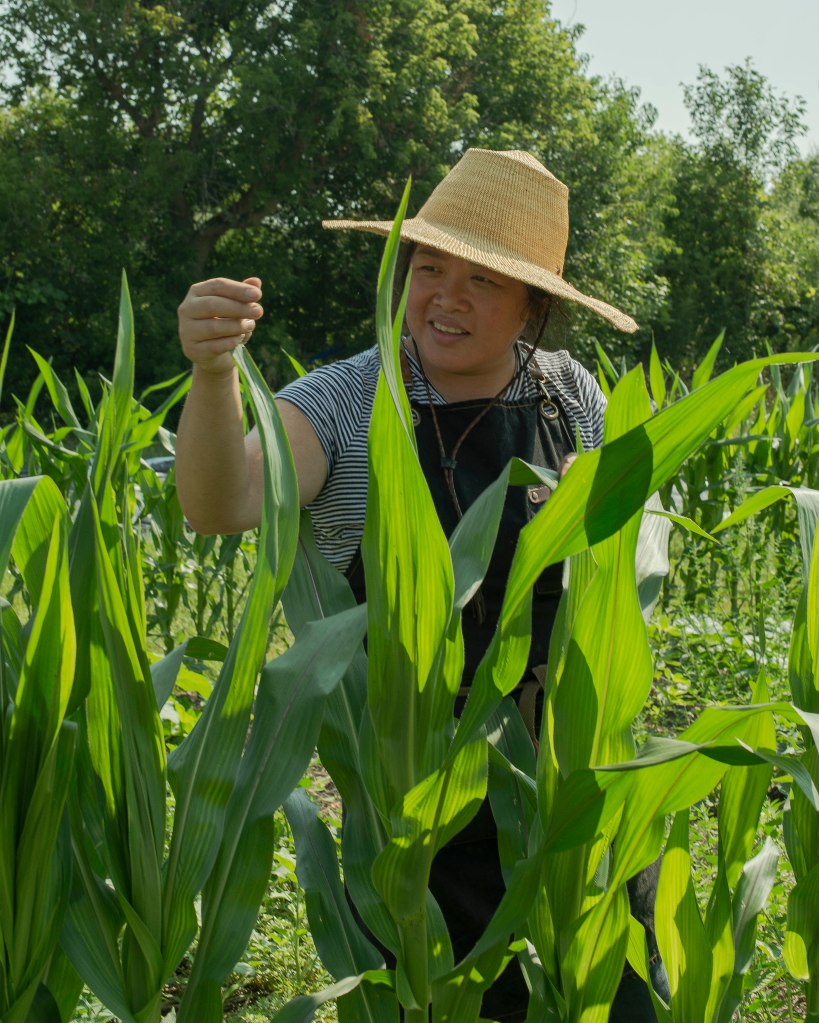
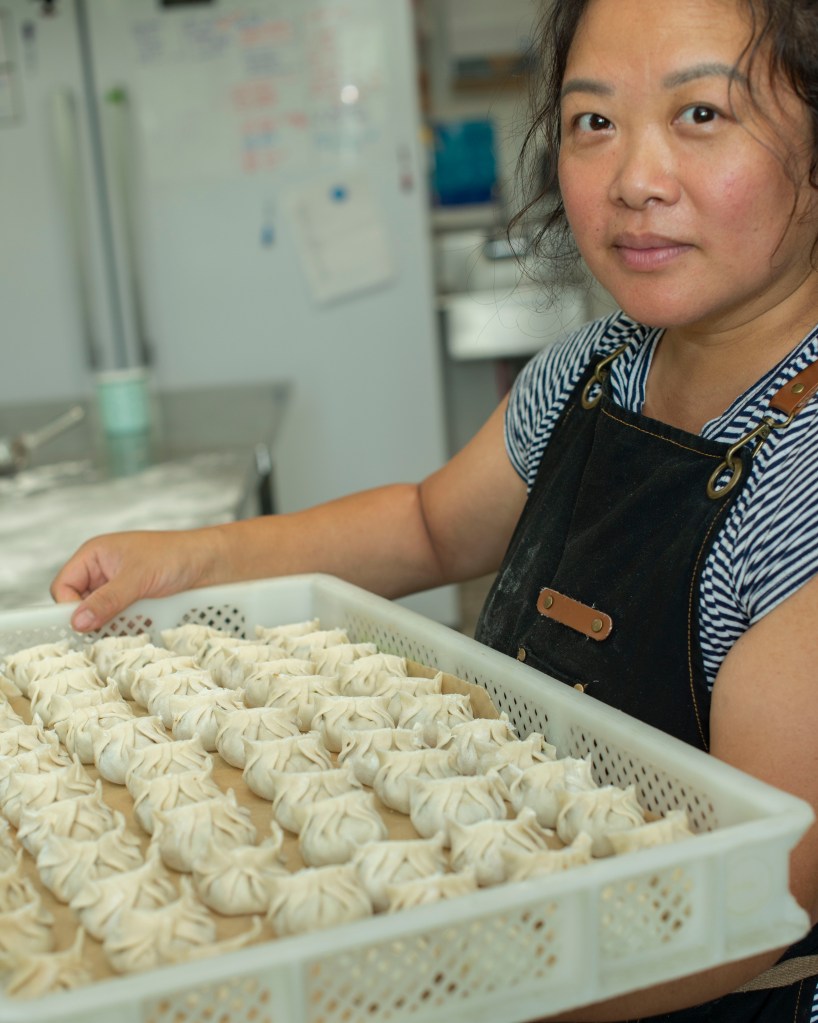
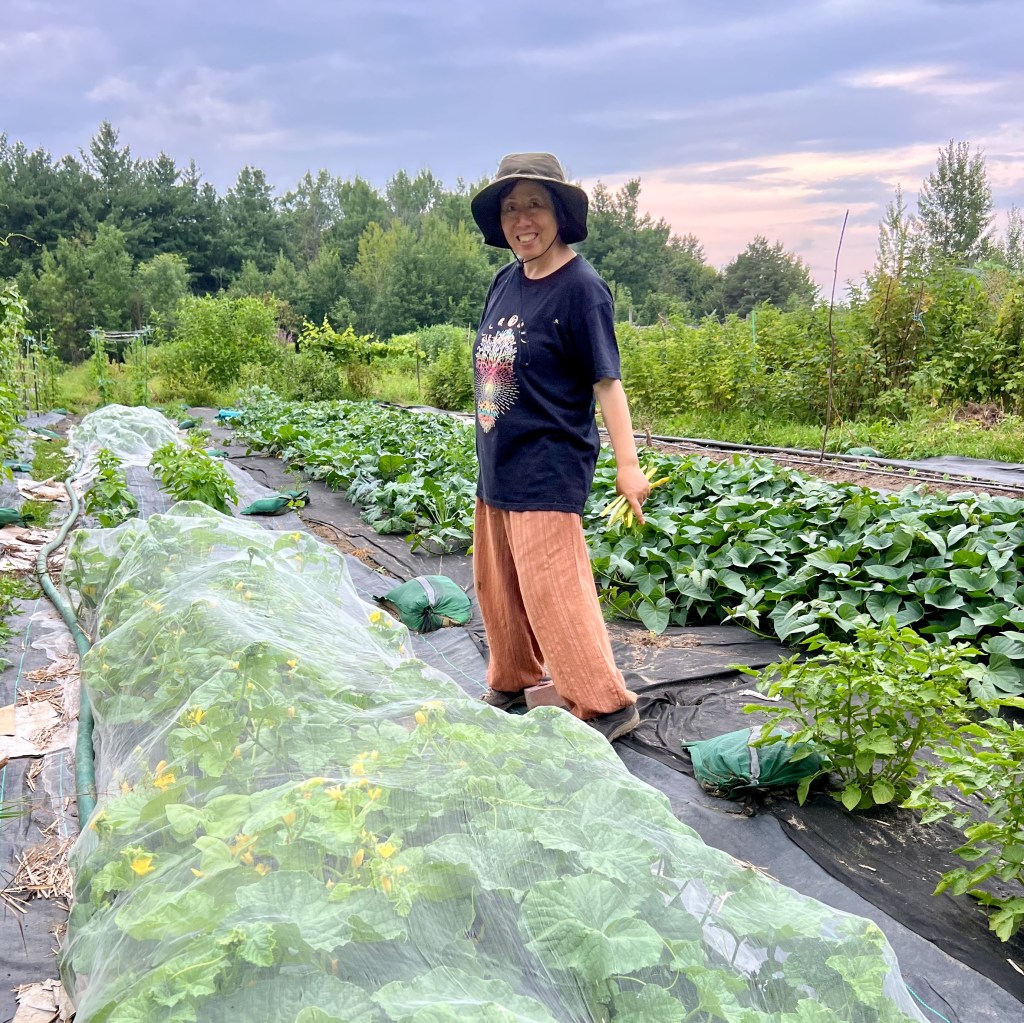
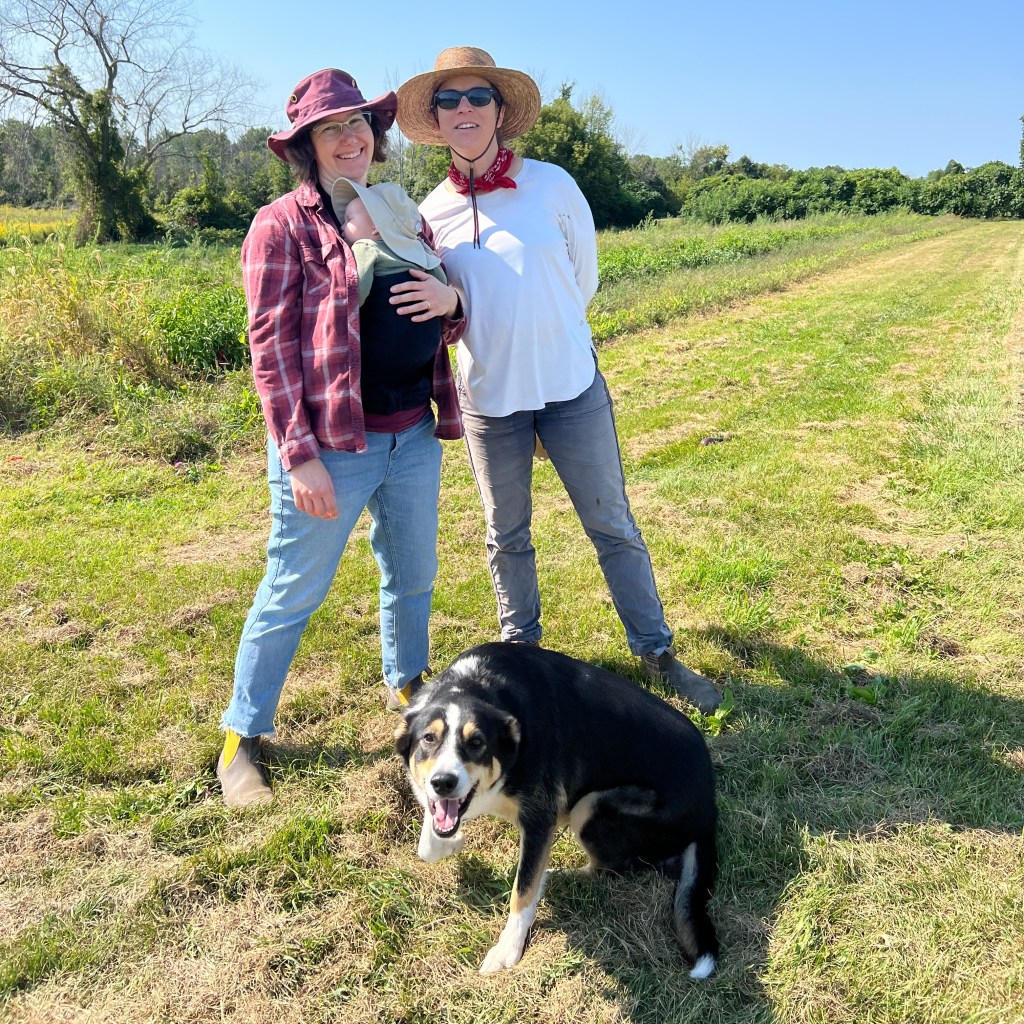
Judy of Paperkite Farm in Prince Edward County
Paperkite Farm, run by Judy and Hans, practices regenerative, low-intervention farming that builds soil health, conserves water, and avoids chemicals. They raise organic-fed chickens, make their own biochar, and favour manual, high-density planting over machinery. Now in its second year at a new site, the farm has grown from a hobby venture into a small, thoughtful production operation, with staff including a farm chef, camp facilitator, and farmhands.
For Judy, farming is also a way to reconnect with her Hmong heritage through her mother’s seeds and traditional foods. Despite challenges such as water shortages and physical strain, the team maintains fair wages and a sense of joy in their work. The farm supports food justice, waste reduction, and community-building, growing both culturally meaningful crops and a resilient local food system—alongside food meant to be shared and savoured (think dumplings and sausage!).

Amanda on Fogo Island
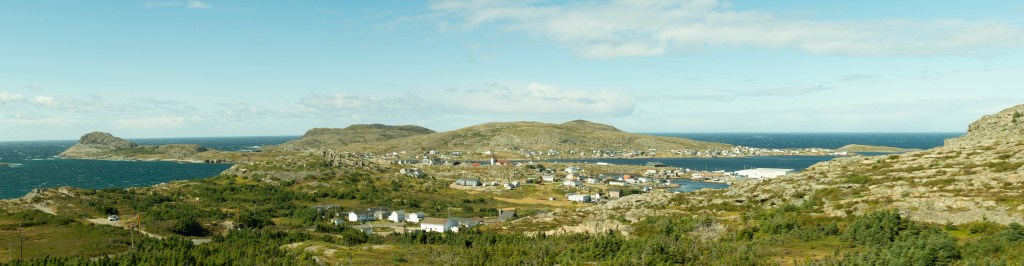
In September, I had the great good fortune to visit Fogo Island, NLFD, where I met Amanda, who tends an 800-square-foot garden bursting with zucchini, potatoes, peas, and raised beds of purple beans protected from the wind. A few crops failed, like carrots lost to weeds, but she takes it in stride, balancing gardening with life as a waitress, supply teacher, and mother of two small children.
Around the house roam twenty-five chickens, guarded by a loyal rooster named Flower, who once faced down a fox. She hosts two boxes of bees for a local beekeeper in her yard, supporting pollination while offering the children jars of honey and lessons in gentleness.
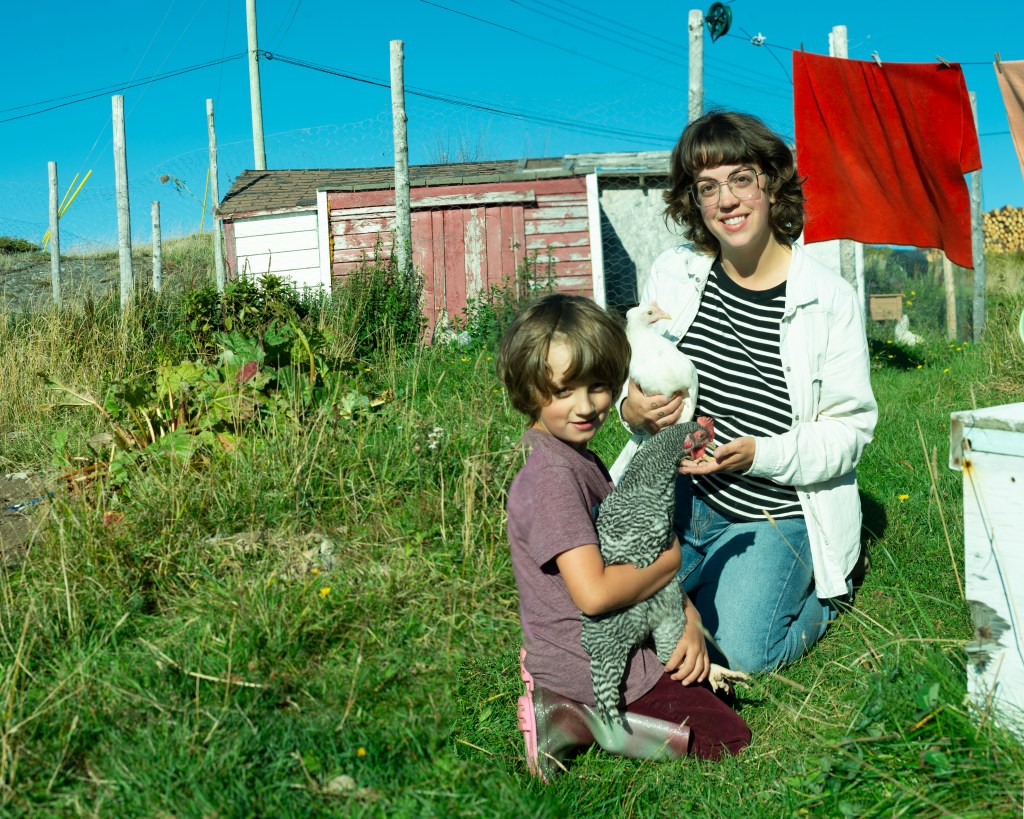
A journalism graduate from Ottawa U, Amanda chose to return to her family’s home island to live close to the land, practising subsistence farming and raising her family “together, not apart”, as they say in NLFD. She and her partner, Jarrod, fish, hunt, and work seasonally, weaving a patchwork life of resourcefulness and care—a modern expression of the Fogo spirit, where everything, as she says, “fits in the corners of life.”
Amanda and Jarrod also own and operate Fogo Island’s only farm, an indoor, year-round hydroponic operation providing greens that travel well beyond the island, to restaurants and grocery stores near and far.
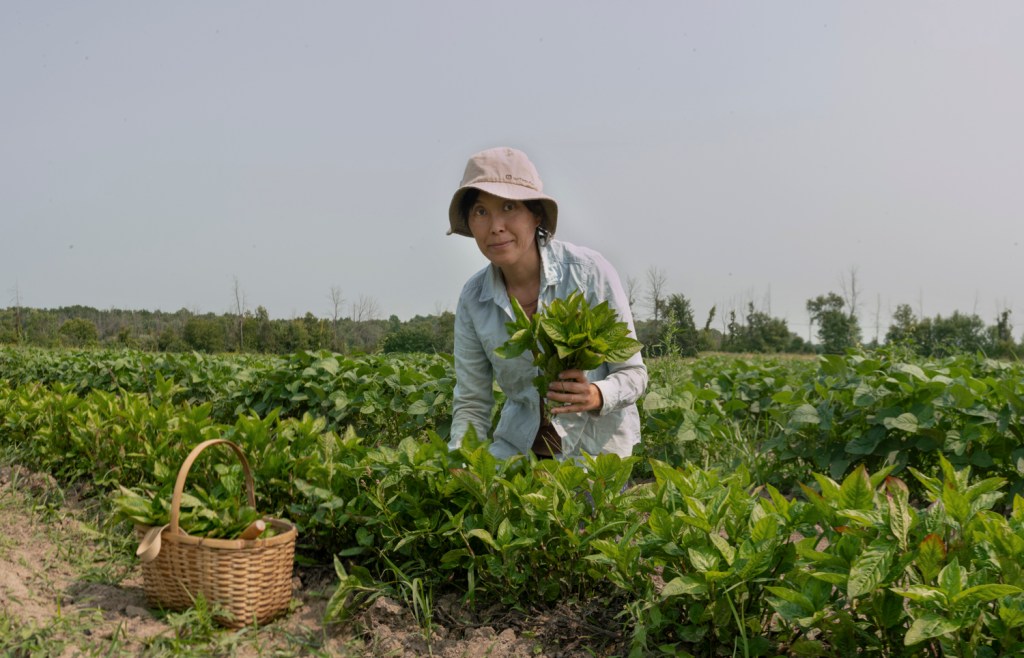


 Barbara Brown